When to Add a Dedicated Circuit in Your Electrical Panel
If a breaker keeps tripping when you use a particular appliance, your electrical system may not have enough capacity for the demand. Learn when a dedicated circuit may be needed, which appliances commonly require one, and how adding a circuit can improve the safety and reliability of your home’s electrical system.
You plug in a new appliance, turn it on, and suddenly a breaker trips. Maybe you reset it and everything seems fine, so you move on with your day. But if that keeps happening, your electrical system may be telling you that a circuit is carrying more demand than it should.
Modern homes rely on more high-powered appliances than ever. From refrigerators and washing machines to electric vehicle chargers and home office equipment, your electrical panel has to distribute power safely throughout your home. A dedicated circuit can give certain appliances the electrical capacity they need without competing with other devices on the same circuit.
What Is a Dedicated Circuit?
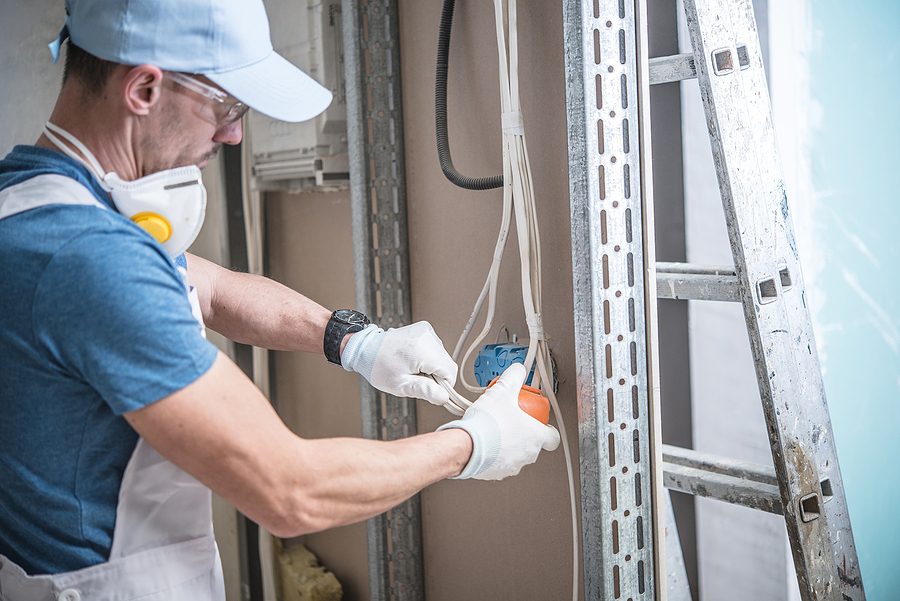
A dedicated circuit is an electrical circuit that supplies power to one appliance or piece of equipment. Instead of sharing the circuit with lights, outlets, or other appliances, the equipment has its own breaker in your electrical panel.
You may need a dedicated circuit because an appliance draws a significant amount of electricity during operation. Giving it its own circuit helps prevent the total electrical demand from exceeding the circuit’s capacity.
The exact electrical requirements depend on the appliance, its manufacturer specifications, and applicable electrical codes. A licensed electrician can determine whether your existing system can safely support the equipment or if you need another circuit.
Which Appliances May Need One?
Many everyday appliances can require dedicated circuits because of their electrical demand. Some operate with heating elements, motors, compressors, or other components that require substantial power.
You may need dedicated circuits for equipment including, electric ranges, ovens, dryers, water heaters, air conditioners, furnaces, refrigerators, freezers, sump pumps, dishwashers, garbage disposals, hot tubs, and electric vehicle chargers
Not every appliance automatically requires a dedicated circuit in every home. Requirements can vary based on the equipment and local code. You should check the manufacturer’s installation instructions rather than assuming an appliance can safely share an existing circuit.
Signs Your Electrical System Needs Another Circuit
Your home may give you warning signs that an appliance is placing too much demand on a shared circuit. If you notice the same breaker tripping repeatedly, you should not treat resetting it as a permanent fix.
You may also notice lights dimming or flickering when a large appliance starts. Warm or discolored outlets, buzzing sounds, burning odors, or outlets that feel hot deserve prompt attention. These symptoms can point to an electrical problem that should be evaluated by a skilled electrician.
Another sign is relying heavily on extension cords or power strips because there are not enough outlets where you need them. Extension cords are not a substitute for properly installed household wiring, particularly for high-powered equipment.
You may also run into problems after purchasing new appliances. Your older electrical system may have been designed around the demands of your home years ago. Adding modern equipment can expose limitations that were not noticeable before.
Consider Your Future Electrical Needs
You do not have to wait for a breaker to trip before evaluating your electrical system. If you are planning to add an appliance with significant power demands, consider your electrical needs before purchasing or installing it. This can help you avoid discovering that your panel or existing circuits cannot support the new equipment.
This is particularly helpful during a kitchen renovation, garage upgrade, basement finish, or home addition. Planning electrical circuits at the same time as other improvements can give you more flexibility with outlet placement and appliance locations while reducing the need for future electrical work.
Why Dedicated Circuits Improve Safety
A dedicated circuit helps separate a high-demand appliance from other electrical loads. That separation reduces the likelihood that multiple devices will overload the same circuit and trip its breaker.
A properly sized circuit also helps your appliance receive the electrical supply it was designed to use. This can reduce nuisance breaker trips and make daily operation more dependable.
Dedicated circuits can also make troubleshooting easier. If an appliance develops an electrical problem, its circuit can be identified and shut off without necessarily affecting unrelated areas of your home.
If you are remodeling, adding a major appliance, finishing a basement, building a workshop, or installing equipment that uses substantial electricity, it is a good time to evaluate your electrical panel. Installing wiring while walls are already accessible can be more practical than trying to add it after the project is finished.
Let Oakwood Electric & Generator Handle the Installation
Adding a dedicated circuit is more than installing another breaker in your panel. The wiring, breaker, circuit size, connections, and equipment all need to be appropriate for the electrical load and applicable requirements.
You should never attempt to solve repeated breaker trips by simply installing a larger breaker. The existing wiring may not be rated for the increased load, creating a serious safety concern.
A licensed electrician from Oakwood Electric & Generator can evaluate your electrical system, identify circuits that may be overloaded, and determine what your new equipment requires. If your panel has enough capacity, a new dedicated circuit may be a straightforward way to improve your home’s electrical setup. If the panel itself has limitations, you can discuss appropriate options before investing in new equipment.
Give Your Appliances the Power They Need
A dedicated circuit can help you avoid repeated breaker trips, reduce electrical strain, and give high-demand appliances a safer, more reliable source of power. If you are adding a major appliance or noticing signs of electrical overload, do not ignore what your home is telling you.
Contact Oakwood Electric & Generator to have your electrical system evaluated. A licensed electrician can help determine whether you need a dedicated circuit and provide the right installation for your home’s electrical needs.