How Aging Electrical Systems Can Limit Modern Upgrades
Many homeowners encounter limitations when trying to install modern appliances or home systems in older houses. This is written for people who want to understand how aging electrical infrastructure can affect upgrades. The perspective reflects Oakwood Electric & Generator’s experience evaluating and upgrading older systems. It covers how electrical standards have changed, limitations of older wiring and panels, modern appliance requirements, challenges when upgrading older homes, and the role of skilled electricians in planning upgrades.
You may have noticed that some upgrades you want for your home are harder to install than expected. Perhaps you are considering a new kitchen appliance, a home theater system, or even an electric vehicle charger, only to find that your existing electrical system cannot safely support the additional load. This is a common challenge for homeowners living in older houses.
Electrical systems installed decades ago were designed for fewer devices, smaller loads, and simpler household needs. Today’s homes, with smart technology, high-powered appliances, and larger HVAC systems, demand far more from their electrical infrastructure. Without addressing these limitations, your plans for a modern, efficient, and comfortable home can quickly run into frustration and delays.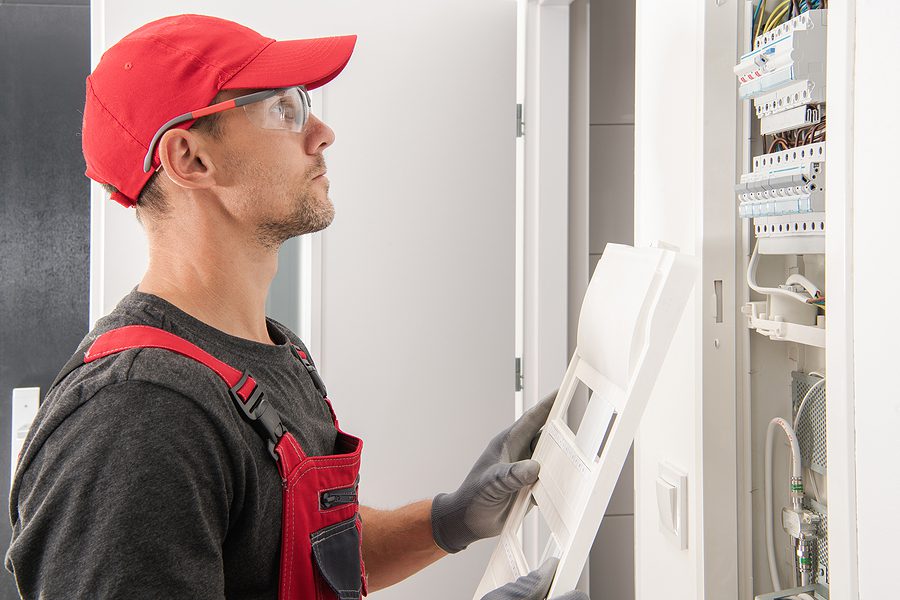
Older electrical panels and wiring were built for the technology of their era. Many houses constructed in the 1970s or earlier came equipped with 60- or 100-amp service panels, grounded on wiring designed to accommodate basic lighting, a refrigerator, and a few smaller appliances.
As your home has aged, you may have added more electronics, gadgets, or high-energy appliances. Each addition increases the strain on an electrical system that was never intended to handle such demands. The result is often flickering lights, tripped breakers, or even outlets that cannot supply enough power to operate devices safely. Understanding how aging systems limit modern upgrades is the first step toward creating a home that works reliably for today’s lifestyle.
Why Older Homes Face Electrical Limitations
Older electrical systems face several inherent challenges. The materials and methods used in decades past differ significantly from modern standards. For instance, aluminum wiring was popular in the 1960s and 1970s but can present safety concerns if connections deteriorate over time. Knob-and-tube wiring, commonly installed in the early 20th century, lacks grounding and is not compatible with modern appliances. Even if your home’s wiring appears intact, it may not safely support the demands of multiple high-energy devices running simultaneously.
Service panels themselves can also be limiting. Panels with fewer circuits cannot accommodate additional dedicated lines required by modern kitchens, laundry rooms, or workshops. Older breakers may lack the capacity to trip safely when overloaded, increasing the risk of fire. Homeowners often discover these issues only after attempting renovations or installing high-power equipment. The inconvenience and potential danger are avoidable when these limitations are understood and addressed proactively.
The Demands of Modern Appliances and Technology
Today’s homes include appliances and devices that require far more electricity than in previous generations. Consider some of the common additions modern homeowners want:
- High-powered kitchen appliances like induction cooktops, wall ovens, or large refrigerators
- Electric water heaters, tankless systems, and smart HVAC units
- Home offices equipped with multiple computers, monitors, and printers
- Electric vehicle chargers that may require 30 to 50 amps each
- Advanced entertainment systems and smart home automation
These upgrades often require dedicated circuits and increased overall service capacity. An older system may lack the physical connections or amperage to support these devices without risk. Attempting to run them on insufficient wiring can lead to repeated breaker trips, overheating, or long-term damage to the home’s electrical infrastructure.
Warning Signs That Your Electrical System May Be Limiting Upgrades
Even if you have not yet planned major upgrades, certain signs indicate that your electrical system may be reaching its limits. These include:
- Circuit breakers that trip frequently
- Flickering or dimming lights when multiple appliances operate
- Outlets that feel warm or have scorch marks
- Limited availability of outlets in key areas
- Older panels with fuses instead of breakers
If you notice any of these issues, it is a strong signal that your system may not safely accommodate new technology or appliances. Addressing these concerns early can prevent costly repairs or safety hazards later.
How Electricians Evaluate Older Electrical Systems
Skilled electricians play a vital role in determining whether your home’s electrical system can support planned upgrades. They perform load calculations that measure current usage and estimate future demand based on planned appliances, devices, and technology. This evaluation identifies weak points in wiring, panels, or circuits, allowing homeowners to make informed decisions about upgrades.
During an evaluation, an electrician may examine:
- The service panel size and available capacity
- The condition and type of existing wiring
- The number and location of circuits throughout the home
- The suitability of grounding and safety devices
- Opportunities for adding circuits or upgrading the panel to support new loads
This process makes sure that upgrades are both safe and reliable, reducing the risk of overloading the system or causing damage to sensitive equipment.
When a Panel Upgrade May Be Necessary
One of the most common solutions for supporting modern electrical demands is an electric panel upgrade. Panels rated at 100 amps may be sufficient for smaller homes with limited electronics, but most contemporary households benefit from 150 to 200 amps or more. Upgrading the panel increases the home’s capacity, allows additional dedicated circuits, and improves safety by providing breakers capable of handling higher loads.
The cost of replacing an electrical panel varies depending on the size, type, and complexity of the installation, but it is an investment that enables your home to function efficiently and safely. Performing the upgrade during other renovations is often the most convenient time because electricians can coordinate with ongoing construction and reduce the need for multiple disruptions.
Planning Upgrades for Future Technology
Beyond addressing immediate needs, upgrading an aging electrical system allows you to prepare for future technology. For example, homes increasingly require circuits for electric vehicle chargers, home automation systems, or additional kitchen appliances. Installing sufficient capacity now prevents the need for emergency upgrades later, which can be more disruptive and expensive.
By planning ahead, you can also incorporate features like energy-efficient lighting, smart thermostats, and high-capacity outlets without overloading your system. A modern, well-designed electrical layout ensures that all devices operate reliably while maintaining safety and convenience for your household.
Maximizing Safety and Reliability
Updating an aging electrical system is not only about supporting upgrades; it also significantly improves safety. Older wiring and panels may not meet current codes, leaving homes at higher risk for fires or electrical failures. Proper upgrades include installing grounded outlets, modern breakers, and ensuring that all circuits are capable of handling current loads. Skilled electricians also check for potential hazards like loose connections or corroded wiring.
A safe and reliable system contributes to peace of mind. You can use multiple appliances simultaneously, run high-powered equipment, and enjoy smart home devices without concern for tripped breakers or overloaded circuits.
Oakwood Electric & Generator Can Help
At Oakwood Electric & Generator, we help homeowners in and around Westmont, Illinois, evaluate and upgrade their electrical systems. Our team focuses on creating safe, reliable, and future-ready solutions that support your home’s comfort and functionality. We perform detailed assessments, recommend electric panel upgrades when necessary, and coordinate improvements to minimize disruption to your household.
Working with a skilled team allows you to plan upgrades strategically. From installing dedicated circuits for modern appliances to replacing aging panels and wiring, our goal is to make sure your home can support current needs and future enhancements safely and efficiently.
Upgrading Your Home for Modern Living
Aging electrical systems should not hold back your plans for a modern, comfortable home. By understanding the limitations of older wiring and panels, you can make informed decisions about upgrades and avoid potential hazards. Investing in the right improvements now helps your home accommodate high-powered appliances, smart devices, and other modern technology while maintaining safety, reliability, and convenience.
If you are considering home upgrades or renovations, contact Oakwood Electric & Generator to schedule a professional evaluation. Our experienced team can help you determine whether an electric panel upgrade or other improvements are necessary and provide a clear plan for bringing your home’s electrical system up to modern standards. With the right guidance, you can enjoy the full potential of your home without compromise.