Electrical Issues Contractors Commonly Discover During Renovations
Many homeowners begin renovation projects without realizing hidden electrical problems may be waiting behind the walls. This article is written for homeowners planning a remodel and contractors coordinating renovation work. The perspective reflects Oakwood Electric & Generator’s experience evaluating electrical systems before and during renovation projects. It covers common electrical issues uncovered during remodeling, including outdated wiring, grounding problems, limited electrical capacity, and code-related upgrades that can affect project timelines and costs.
You start a renovation with a clear vision in mind. Fresh walls, updated layouts, modern fixtures, and improved functionality throughout your home. The space looks outdated now, but you can already picture what it will become once the work is complete.
Then the walls open up.
What seemed like a straightforward remodel begins revealing issues hidden for years. Wiring that does not meet current standards. Circuits already stretched thin. Outlets installed long before modern electrical demands existed.
At that point, the renovation becomes about more than finishes and layout changes. It becomes about what is happening behind the walls.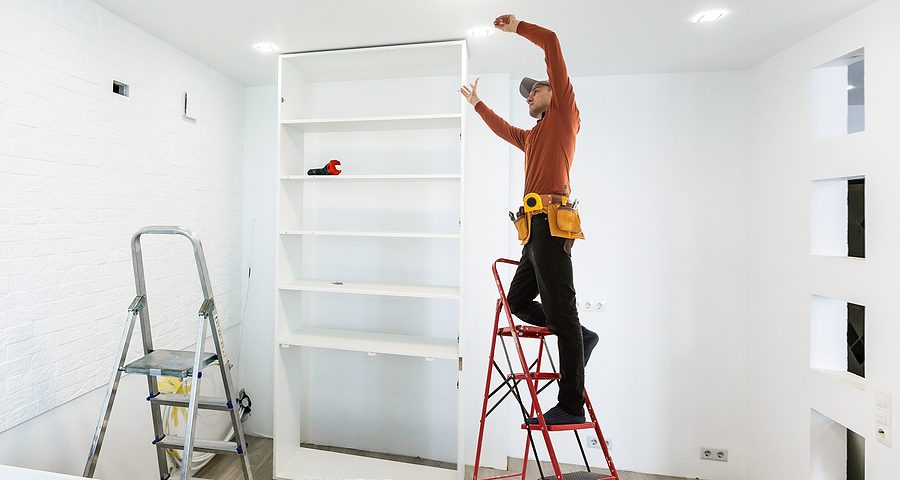
Hidden Electrical Problems Revealed During Renovation
Renovation projects often uncover problems that were never visible during normal use of the home. Once drywall or ceilings are removed, the electrical system tells a much different story.
Contractors may discover improperly enclosed spliced wiring, disorganized junction boxes, or circuits that were expanded over time without a clear plan.
These conditions are not always immediately dangerous, but they often indicate an electrical system that has been modified repeatedly without proper updates.
When these problems are found, work may pause so the electrical system can be evaluated before construction continues.
Outdated Wiring Behind the Walls
One of the most common discoveries during renovations is outdated wiring.
Older homes may still contain knob-and-tube wiring or early-generation cable systems no longer used in modern construction. These systems were built when homes used far fewer electrical devices.
Even homes with partial updates can still have original wiring hidden behind finished walls or ceilings.
Modern appliances, lighting systems, and electronics place different demands on electrical circuits than older systems were designed to support.
Once exposed, older wiring often needs to be replaced or upgraded before renovations can safely move forward.
Grounding Problems in Older Homes
Another common issue uncovered during renovations is missing grounding.
Many older homes were built before grounded outlets became standard. While those outlets may still function, they do not provide the same level of protection as modern grounded systems.
Grounding safely redirects excess electrical current and helps reduce the risk of shock or equipment damage.
When renovations involve kitchens, bathrooms, or appliance upgrades, grounded circuits are often necessary to support modern electrical requirements.
If grounding is missing, portions of the electrical system may need upgrades before construction can continue.
Electrical Capacity That No Longer Fits the Home
Renovations usually add more than cosmetic improvements. New layouts, appliances, home offices, and expanded living spaces all increase electrical demand.
Older panels and circuits were not always designed to handle today’s level of electrical usage.
During renovations, contractors may discover that the existing system is already near capacity.
Common signs include:
- Fully loaded circuits
- Breakers near maximum usage
- Limited space for additional circuits in the panel
Without addressing these issues, new additions can overload the system and lead to frequent breaker trips or unreliable power after the renovation is complete.
Electrical Code Updates During Renovation
Renovation work often requires portions of the electrical system to be updated to current code standards.
Electrical codes change over time to improve safety and reliability. Systems that were acceptable when the home was built may no longer meet today’s standards.
During a remodel, contractors may need to update wiring methods, improve grounding, adjust circuit layouts, or increase panel accessibility.
In many cases, these updates are required before work can move forward.
That is why electrical planning is an important part of any renovation project.
Why Electrical Planning Matters Before Construction
Many electrical problems uncovered during renovations could be identified earlier with proper planning.
Before construction begins, an electrical evaluation can reveal outdated wiring, limited panel capacity, and potential code concerns.
Finding these issues early helps prevent delays once walls are opened and work is already underway.
It also allows contractors and electricians to coordinate updates more efficiently.
Without proper planning, electrical problems are often discovered mid-project, increasing both timelines and costs.
How Contractors Handle Electrical Problems During Renovation
When electrical issues are discovered, contractors typically pause work in affected areas until the system can be evaluated.
Electricians may need to replace wiring, upgrade panels, add circuits, or correct grounding problems before construction continues.
While these updates can extend the project timeline, they are necessary to create a safe and reliable finished space.
Addressing electrical concerns during renovation is usually far easier than discovering them after construction is complete.
The Importance of an Electrical Evaluation
Electrical evaluations help determine whether the existing system can support the renovation goals safely.
An electrician will assess wiring condition, panel capacity, grounding, and overall electrical load requirements.
From there, they can recommend updates that align with the planned renovation.
This process helps homeowners avoid unexpected surprises and creates a smoother workflow between electrical and general construction work.
Creating a Safer Foundation for Your Renovation
Renovations are an opportunity to improve both the appearance and functionality of your home. But those improvements depend heavily on what is happening behind the walls.
Outdated wiring, missing grounding, and limited electrical capacity can all affect how safely and efficiently your renovated space performs.
Addressing these issues early creates a more reliable foundation for the rest of the project.
Schedule an Electrical Evaluation Before Your Renovation
Electrical problems are often hidden until renovation work begins, but they do not have to derail your project. Proper planning and evaluation can identify issues before they create delays, added costs, or safety concerns.
Oakwood Electric & Generator works with homeowners and contractors to evaluate existing electrical systems and prepare them for renovation demands. If you are planning a remodel or already in the middle of one, contact us to schedule a professional electrical evaluation.