What Happens When Your Electrical Panel Is Overloaded
Many homeowners experience repeated breaker trips, flickering lights, or electrical problems without realizing their electrical panel may be overloaded. This article is written for homeowners concerned about whether their electrical system can safely handle modern energy demands. The perspective reflects Oakwood Electric & Generator’s experience evaluating overloaded electrical panels and residential power systems. It covers what causes panel overloads, the warning signs to watch for, the safety risks involved, and when a panel upgrade may become necessary.
You are going about your day like normal. Lights are on, appliances are running, and someone may be using the microwave while the dryer is spinning. Then it happens again. A breaker trips. You head to the panel, flip it back on, and everything works until the next time.
At first, it feels like a small inconvenience. But when the problem keeps repeating, it becomes clear that your electrical system may be struggling to keep up.
That is often what is happening when an electrical panel becomes overloaded.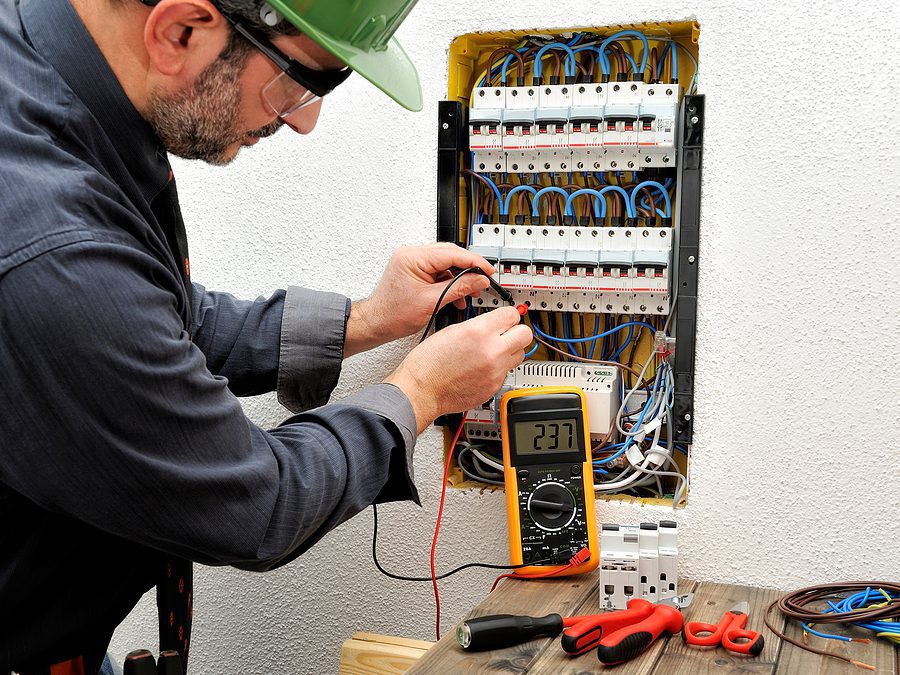
How Your Electrical Panel Works
Your electrical panel is the central hub that distributes electricity throughout your home. Every outlet, light switch, and appliance connects back to it through individual circuits.
Electricity enters through the main service line, and the panel divides that power into separate circuits for different areas and devices.
Every panel has a maximum capacity measured in amps. That capacity determines how much electricity your home can safely use at one time.
When electrical demand stays within that limit, your system operates normally. When demand exceeds it, problems begin to appear.
What Causes an Electrical Panel to Overload
An overloaded panel happens when your home demands more electricity than the system was designed to handle.
This usually develops gradually. Many homes were not built for the number of appliances and electronics used today. As more equipment is added, the electrical demand increases.
Large appliances are one of the biggest causes. Air conditioners, ovens, dryers, and space heaters all place heavy demand on the system. When several run at the same time, the panel can quickly approach its limit.
Home upgrades can also increase demand. Finishing a basement, installing a hot tub, or upgrading kitchen appliances all place additional strain on the panel.
Even smaller additions contribute over time. Chargers, computers, televisions, and entertainment systems all add to the electrical load.
Without realizing it, homeowners can slowly push an older panel close to maximum capacity.
Warning Signs Your Panel Is Under Strain
An overloaded electrical panel usually gives warning signs before major issues develop.
Frequent breaker trips are one of the most common indicators. Breakers are designed to shut off power when circuits become overloaded. If this happens regularly, your system may be struggling to handle demand.
You may also notice flickering or dimming lights, especially when large appliances turn on.
Common warning signs include frequent breaker trips, warm breaker panels, buzzing sounds near the panel, burning odors, discolored outlets or switches, and difficulty running multiple appliances at once.
These symptoms should not be ignored. They often indicate that the electrical system is operating beyond its intended limits.
The Risks of an Overloaded Electrical System
An overloaded electrical panel creates more than inconvenience. It can become a serious safety concern.
When circuits carry too much electrical load, heat builds up inside the wiring. Over time, that heat can damage insulation and increase the risk of electrical faults.
Breaker trips are actually a protective measure. They shut power off before wiring overheats.
In severe situations, overloaded systems can increase the risk of electrical fires. Repeated electrical stress can also shorten the lifespan of breakers, wiring, and electrical connections.
Why Modern Homes Use More Electricity
Homes today use far more electricity than they did decades ago.
Modern appliances often require continuous power, especially equipment with digital controls, motors, or heating elements. Kitchens alone can place significant demand on a panel when multiple appliances run together.
Heating and cooling systems, laundry equipment, computers, and entertainment systems all contribute to the overall electrical load.
Even if individual devices seem manageable, the combined demand can exceed what an older panel was designed to support.
When a Panel Upgrade Becomes Necessary
Sometimes adjustments are no longer enough. If overload symptoms continue, your electrical panel may need to be upgraded.
A panel upgrade increases your home’s electrical capacity and allows the system to safely support more circuits and higher demand.
You may need an upgrade if you experience frequent breaker trips, are adding major appliances, remodeling your home, or still relying on an outdated panel with limited circuit capacity.
Older panels may also need replacement because they were never designed for modern electrical usage.
An electrician can evaluate your system and determine whether your panel has enough capacity for your home.
What Happens During an Electrical Evaluation
Before recommending a panel upgrade, an electrician will inspect your current electrical system.
The evaluation typically includes reviewing panel capacity, checking circuit distribution, inspecting wiring condition, looking for signs of overheating or wear, and evaluating household electrical usage.
The goal is to determine whether your current panel can continue operating safely or whether it is reaching its limit.
A More Reliable Electrical System
If your electrical panel is overloaded, the issue usually involves the overall capacity of the system.
Upgrading your panel creates room for both your current electrical needs and future additions. It also reduces strain on the system during everyday use.
Instead of dealing with repeated breaker trips and unreliable power, you gain a system that operates more safely and consistently.
Schedule a Professional Evaluation
An overloaded electrical panel is often a sign that your home’s electrical demands have exceeded what the system was originally designed to handle. Ignoring the warning signs can lead to repeated disruptions, damaged components, and unnecessary safety risks.
Oakwood Electric & Generator evaluates electrical systems, identifies overload issues, and helps homeowners determine whether a panel upgrade is needed. If you are experiencing frequent breaker trips, flickering lights, or planning major electrical additions, contact us today to schedule a professional evaluation and make sure your system can safely support your home’s needs.