The Real Cost of Replacing Your Electrical Panel
Replacing an electrical panel is one of the most misunderstood home upgrades. Many homeowners sense that their panel is outdated or struggling, yet hesitate to move forward because the pricing feels unclear. One contractor quotes a few thousand dollars. Another estimate comes in much higher. Online searches for the cost to replace an electrical panel only add to the confusion, with wide ranges and vague explanations.
An electrical panel replacement is not a simple swap of a metal box. It is a safety upgrade that affects every circuit in the home. The true cost reflects labor, materials, compliance requirements, and sometimes issues that only become visible once work begins. Understanding what actually drives the price helps homeowners make informed decisions and avoid surprises.
Why Panel Replacement Pricing Feels Unclear
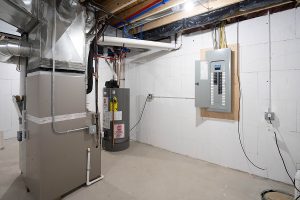
Homeowners rarely think about their electrical panel until something goes wrong. Even then, the decision to replace it feels intimidating. Panels are hidden in basements, garages, or utility rooms, and the work is technical. Without context, it is hard to know whether replacement is truly needed or if a smaller repair might suffice.
Online pricing ranges contribute to the uncertainty. Some estimates reflect basic upgrades in newer homes. Others account for older houses with outdated wiring or limited access. Without knowing what assumptions are baked into those numbers, homeowners are left guessing.
Another challenge is that panels are tied directly to electrical codes. What was acceptable decades ago may no longer meet current standards. A panel that appears functional can still be undersized or unsafe by today’s requirements. That gap between appearance and reality often surprises homeowners during inspections or renovations.
Because of these unknowns, many people delay replacement. They hope to avoid a major expense or assume the problem will not escalate. Unfortunately, panels rarely improve with age. Waiting often shifts the project from planned improvement to urgent repair.
What Happens When Replacement is Delayed
An aging electrical panel sends warning signs long before failure. Breakers trip during normal use. Lights flicker when appliances start. The panel may feel warm to the touch or emit unusual sounds. These symptoms are often brushed off as minor inconveniences, yet they point to deeper issues.
Older panels were not designed to handle modern electrical loads. Today’s homes rely on multiple large appliances, electronics, and charging devices running at the same time. As demand increases, outdated components are pushed beyond their intended limits.
Delaying replacement increases risk. Overheated connections and worn breakers raise the chance of electrical fires. Power fluctuations can damage expensive appliances and electronics. In some cases, homeowners discover too late that replacement parts no longer support their panel.
Problems also surface at inconvenient moments. A planned home sale may trigger a failed inspection. A remodel may stall because the existing panel cannot support new circuits. At that point, replacement becomes unavoidable and often more expensive due to tight timelines or additional corrective work.
Addressing the panel proactively gives homeowners control over scope, scheduling, and budget rather than reacting under pressure.
What Actually Drives the Cost of Replacing an Electrical Panel
The cost to replace an electrical panel varies because no two homes are wired the same. While homeowners often focus on the panel itself, that is only one part of the equation. A full replacement involves several interconnected factors.
Here are the primary elements that shape the final price:
- Panel amperage and size
- Labor time and complexity
- Permit and inspection requirements
- Materials and safety equipment
- Accessibility of the panel location
- Condition of existing wiring
- Grounding and bonding upgrades
- Any troubleshooting required to bring the system up to code
Panel size plays a major role. Upgrading from a lower amperage panel to a higher capacity unit allows the home to handle current and future electrical demands. Larger panels cost more in materials and labor but provide long-term flexibility.
Labor complexity often outweighs the price of the panel itself. Electricians must safely disconnect and reconnect every circuit. Homes with tightly packed wiring, limited workspace, or older construction require additional time and care. If the panel is in a hard-to-reach area, labor costs increase.
Permits and inspections are another factor. A legitimate panel replacement includes local permits and inspections to verify code compliance. These steps protect homeowners but add to the overall cost. Skipping them may reduce upfront pricing but creates legal and safety risks.
Materials extend beyond the panel enclosure. Breakers, grounding components, conduit, labels, and protective hardware all contribute to the total. Quality materials improve reliability and lifespan, reducing future issues.
In older homes, hidden costs sometimes emerge once work begins. Aging wiring may need partial replacement. Grounding systems may require upgrades to meet modern standards. These corrections are necessary for safety and code compliance, even if they were not obvious at the start.
Why Estimates Can Vary So Widely
Two homes of similar size can receive very different quotes for panel replacement. This does not always indicate overpricing or underpricing. It usually reflects differences in scope.
Some estimates assume a straightforward replacement with minimal changes. Others account for potential issues based on the age and condition of the home. Contractors who take time to evaluate the entire electrical system often provide higher initial estimates but fewer surprises later.
Geography also matters. Local labor rates, permit fees, and code requirements vary by region. A price that seems high compared to an online average may be reasonable for the area.
The level of service included in the estimate is another variable. A comprehensive replacement includes testing, labeling, cleanup, and coordination with inspectors. Lower bids may exclude these steps or rely on shortcuts that compromise quality.
Homeowners benefit from asking what is included rather than just comparing numbers. Understanding scope clarifies why prices differ and what level of protection the investment provides.
Repairing Versus Replacing an Outdated Panel
One of the most common questions homeowners face is whether to repair an existing panel or replace it entirely. In some cases, minor issues can be addressed with targeted repairs. However, repeated fixes often signal that the panel has reached the end of its useful life.
Older panels may lack capacity, use obsolete breaker designs, or show signs of internal wear. Replacing individual breakers does not resolve underlying limitations. Over time, repair costs add up without delivering long-term reliability.
Full replacement addresses capacity, safety, and compliance in one project. It creates a stable foundation for future upgrades and removes uncertainty. While the upfront cost is higher, the long-term value often outweighs the cost of ongoing repairs.
Replacing the panel proactively can also reduce insurance concerns and improve resale outcomes. Buyers and inspectors view updated electrical infrastructure as a sign of responsible maintenance.
Looking at Cost Through a Long-Term Lens
It is natural to focus on the upfront expense of panel replacement. Yet the real cost includes what happens if the upgrade is postponed. Electrical failures, appliance damage, emergency repairs, and delayed projects all carry financial and emotional tolls.
A modern panel supports efficiency, safety, and adaptability. It allows homeowners to add circuits, remodel spaces, and adopt new technology without constant worry. Once installed properly, it fades into the background and simply works.
That peace of mind has value that is not always reflected in initial pricing. The goal is not just to pass inspection or stop breaker trips, but to build a system that supports the home for decades.
Making a Confident Decision
Replacing an electrical panel does not have to feel mysterious or overwhelming. Understanding what drives the cost to replace an electrical panel helps homeowners evaluate estimates with clarity and confidence.
Oakwood Electric & Generator works with homeowners to explain options, identify potential hidden issues, and plan upgrades that make sense for both current needs and future goals. Transparent pricing and thorough evaluations reduce surprises and help homeowners make informed choices.
If your panel shows signs of age, struggles to keep up, or raises questions during inspections, now is the time to explore your options. Contact us today to schedule an assessment and get clear answers about your electrical panel replacement. A proactive approach today can prevent far more expensive problems down the road.