Protect Your EV with Proper Charger Care
This post explains how homeowners can protect their electric vehicles (EVs) by maintaining their home charging stations. It is written for EV owners who rely on daily home charging and want to ensure safety, reliability, and longevity of their equipment. Oakwood Electric & Generator, a licensed residential electrical service provider with experience installing and servicing EV chargers, authored this guide. The content focuses on common issues that can affect chargers over time including wear, electrical load changes, and environmental factors. It provides practical steps for inspection, maintenance, and professional oversight. It also covers visual inspections, manufacturer guidelines, and strategies to prevent safety hazards and prolong the life of both the charger and your EV battery.
Owning an electric vehicle changes how you think about transportation, energy use, and even your home. Instead of weekly trips to the gas station, your garage or driveway becomes the place where your vehicle refuels. Your home EV charging station quickly becomes part of daily life, quietly working in the background while you sleep or go about your routine.
That familiarity can make it easy to overlook the charger itself. Once it’s installed and working, most homeowners assume it will continue performing without much attention. Over time, though, charging equipment experiences wear just like any other electrical system. Cords bend, connections loosen, and household electrical demands evolve. Without proper care, small issues can grow into problems that affect safety, charging reliability, and the long-term health of your vehicle.
If you live in or around Westmont, IL, where seasonal temperature changes and varying electrical loads are common, staying proactive with EV charger maintenance is important for protecting both your car and your home.
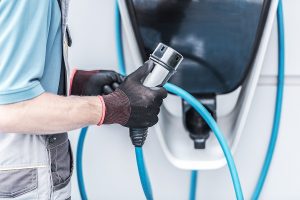
Why EV Chargers Are Often Overlooked After Installation
Installing a home EV charging station often feels like a one-time milestone. You work with a professional, the charger is mounted, and your vehicle begins charging smoothly. Once that initial setup is complete, the system blends into your routine.
Charging becomes automatic. You plug in at night and unplug in the morning. As long as your car has the range you need, it’s easy to assume everything is operating as it should. Unlike appliances that move or make noise, EV chargers tend to be quiet and stationary, which can mask early signs of trouble.
Over months and years, repeated use takes its toll. Charging cords flex thousands of times. Plugs are inserted and removed daily. Wall-mounted units are exposed to dust, humidity, and temperature changes. Even indoor garages experience environmental shifts that affect electrical equipment.
At the same time, your home’s electrical system may be handling more demand than it did before. Additional electronics, home offices, or new appliances can change load patterns. Without regular attention, these combined factors can quietly reduce charging performance and place added stress on wiring and connections.
How Neglected Charger Care Can Create Safety and Performance Issues
Ignoring EV charger maintenance can lead to more than minor inconvenience. Worn cords, damaged insulation, or loose connections can interfere with how power flows from your panel to your vehicle. Inconsistent power delivery may cause charging sessions to stop unexpectedly or take longer than usual.
Heat buildup is another concern. When plugs or outlets loosen over time, electrical resistance increases. That resistance can cause components to warm during charging, sometimes without obvious warning signs. Heat stress affects both the charger and the surrounding electrical system.
Improper grounding is another risk area. A home EV charging station relies on proper grounding to safely manage electrical current. If grounding connections degrade or were not installed correctly in the first place, protective systems may not function as intended. This increases the chance of electrical damage to the charger, the vehicle, or household wiring.
Your EV battery can also be affected. Repeated charging interruptions or unstable power delivery places added strain on charging components within the vehicle. While modern EVs are built with safeguards, ongoing issues can shorten battery life and reduce charging efficiency over time.
For families who charge overnight or rely on daily charging for commuting, these problems often go unnoticed until a charger stops working altogether or an electrical issue requires immediate attention.
What Proper EV Charger Care Looks Like for Homeowners
Protecting your EV starts with understanding that charger care is an ongoing responsibility, not a one-time task. Routine attention helps keep charging reliable while reducing stress on your electrical system.
Start by following the manufacturer’s maintenance guidelines for your specific charger model. These recommendations outline basic care steps, inspection intervals, and usage considerations tailored to the equipment. Keeping documentation accessible makes it easier to stay on track.
Visual inspections play a big role. Take time to check the charging cord regularly. Watch for cracks, exposed wiring, or flattened sections caused by being pinched or driven over. Check the plug for discoloration, looseness, or signs of heat exposure. These small details often provide early clues that something needs attention.
Pay attention to how the charger behaves during use. Charging sessions that stop unexpectedly, error lights, or unusual warmth near the outlet can signal developing issues. Addressing these signs early can prevent more expensive repairs later.
Your home EV charging station should also be matched to your household electrical capacity. Charging equipment draws a significant amount of power, especially Level 2 chargers. If your electrical panel or circuits are already near capacity, charging can place added strain on wiring and breakers.
The Role of Professional Electrical Oversight
Licensed electricians play a key role in keeping EV charging safe and dependable. Proper installation sets the foundation, but periodic evaluations help confirm that everything continues to operate as intended.
An electrician can verify that wiring, breakers, and grounding connections remain in good condition. They can also confirm that the charger is still appropriate for your vehicle and household electrical load, especially if your energy usage has changed since installation.
Professional inspections are particularly valuable after home renovations, panel upgrades, or the addition of new appliances. These changes can alter how electricity flows through your home, affecting charging performance.
Relying on professional support also helps avoid common DIY mistakes. EV chargers involve high-voltage connections that require experience and proper tools. Attempting repairs or adjustments without training can create safety hazards and void equipment warranties.
For homeowners in Westmont, working with a local electrical provider familiar with regional codes and conditions adds another layer of confidence.
Protecting Your Home Electrical System Alongside Your EV
Your EV charger does not operate in isolation. It interacts directly with your home’s wiring, panel, and grounding system. Protecting one means protecting the other.
Avoid using extension cords or adapters unless explicitly approved by the charger manufacturer. These workarounds can increase resistance and heat buildup. Keep the charging area clear to prevent cords from being damaged by vehicles, tools, or storage items.
Be mindful of charging schedules. Charging during peak household usage can place added demand on your electrical system. Spreading out energy use when possible helps reduce strain and supports more stable charging sessions.
Weather exposure also matters. Outdoor chargers should be rated for exterior use and inspected more often. Rain, snow, and temperature swings can accelerate wear if seals or enclosures degrade.
Long-Term Benefits of Staying Proactive
Proactive EV charger maintenance supports consistent charging performance, which helps protect your vehicle’s battery over time. Stable charging sessions reduce interruptions and allow charging systems to operate as intended.
Safety is another major benefit. Addressing wear early lowers the risk of electrical faults that could affect your home or vehicle. Peace of mind comes from knowing that your charging setup is not quietly developing problems behind the scenes.
Proper care also protects your investment. EV chargers and electrical upgrades represent a significant expense. Extending their service life helps maximize value while avoiding unexpected replacement costs.
For homeowners planning to stay in their homes long term, a well-maintained charging setup also adds appeal. As EV adoption grows, future buyers increasingly look for reliable charging infrastructure already in place.
Partnering With Oakwood Electric & Generator for EV Charger Support
Keeping your EV charging setup reliable takes more than plugging in each night. It requires attention, routine checks, and professional oversight to support safe and consistent operation.
Oakwood Electric & Generator supports homeowners in and around Westmont, IL, with EV charger installation, inspection, and electrical services tailored to residential needs. Whether you are installing a new home EV charging station, addressing performance concerns, or scheduling a professional evaluation, working with licensed electricians helps protect both your vehicle and your home.
If you want confidence every time you plug in, contact us today to schedule EV charger service or electrical support, so your charging setup keeps working the way it should.