Installing a Second EV Charger: What You Need to Know
Electric vehicles are becoming a common sight in residential driveways, and many households now have more than one. If you already have a charger in place, adding another can feel like a logical next step. Installing a second EV charger, however, involves more than mounting a new unit on the wall. Your home EV charging setup must handle higher electrical demand, follow local codes, and operate safely day after day. 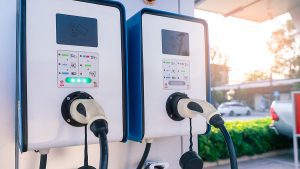
Adding a Second Charger May Bring New Electrical Challenges
Adding a second EV charger is not as simple as plugging in another device. A typical Level 2 charger draws a significant amount of power, often between 32 and 50 amps. When two chargers operate at the same time, the combined load can push a home’s electrical system beyond what it was designed to handle.
Many houses were built long before electric vehicles became common. Panels rated at 100 or 150 amps may already support air conditioning, electric ranges, dryers, and other large appliances. Introducing dual EV charging at home places additional stress on the panel, wiring, and breakers. Without a careful review of EV charger electrical requirements, homeowners who plan to DIY risk overloading circuits or creating unsafe conditions behind the walls.
Placement also becomes more complex. A second charger needs adequate clearance, proper ventilation, and a safe cable path to the vehicles. If the existing charger is already located near the limits of available electrical capacity, adjustments may be required to avoid conflicts.
What Can Go Wrong Without Proper Planning
Without thoughtful preparation, adding another charger can lead to frustrating and expensive problems. One of the most common issues is frequent breaker trips. When both vehicles charge at once, the electrical panel may shut down a circuit to protect itself. While this safety feature prevents damage, it disrupts charging schedules and can wear down breakers over time.
Overloaded wiring is another concern. Wires that were not sized for continuous high current can heat up, leading to insulation breakdown and long-term damage inside the walls. This kind of wear is difficult to detect until a serious issue appears.
Improper installation can also shorten the lifespan of the chargers themselves. Voltage drops caused by undersized wiring or overloaded panels may result in slower charging speeds or error messages from the equipment. In severe cases, damage to the charger or the vehicle’s onboard charging system can occur.
Safety is the largest concern. Electrical systems under stress can increase the risk of arc faults or overheating. These hazards threaten both property and the people living inside the home. Addressing these risks after the fact often costs far more than planning correctly from the start.
Planning a Safe and Efficient Second EV Charger Installation
A successful project begins with a clear evaluation of your home’s current electrical capacity. This step looks at the size of the main panel, existing loads, and available breaker space. A licensed electrician can calculate how much additional demand your system can support and whether changes are required.
In many cases, a home electrical panel upgrade becomes part of the plan. Moving from a 100 amp panel to a 200 amp panel provides more headroom for dual EV charging at home and future electrical needs. While this adds to upfront cost, it also increases flexibility and can raise your property value.
Some modern chargers offer load management features. These systems monitor total electrical usage and adjust charging rates to prevent overloads. This approach can allow two chargers to share available power without exceeding limits. Even with this technology, proper wiring and breaker sizing remain necessary.

Placement of the second charger should also be considered carefully. Ideally, both units are positioned to minimize cable length and avoid crossing walkways. Shorter cable runs reduce material costs and limit voltage drop. Wall structure, garage layout, and proximity to the electrical panel all influence the final location.
A licensed electrician with EV installation experience plays a central role in this process. They understand local permitting rules, inspection requirements, and manufacturer guidelines. Their involvement helps align the installation with safety standards and long-term performance goals. A professional will also coordinate with the utility provider if service upgrades or meter changes are needed.
Here is a single checklist homeowners often review during planning:
- Panel capacity and available breaker space
- Charger amperage ratings
- Wiring size
- Load management options
- Final charger locations
Throughout the project, communication matters. Discuss daily driving habits, charging schedules, and future plans with your electrician. This information helps tailor the system to real-world use rather than theoretical maximums.
The result of careful planning is a home EV charging setup that supports both vehicles without stress on your electrical system. Reliable overnight charging, predictable energy use, and peace of mind all come from doing the work correctly the first time.
Next Steps for a Safe and Efficient Installation
Installing a second EV charger can transform how your household manages multiple electric vehicles. With the right approach, dual charging becomes a seamless part of daily life rather than a source of electrical headaches. Evaluating EV charger electrical requirements, considering a home electrical panel upgrade, and relying on a licensed electrician for your EV charger installation all contribute to a safe and efficient outcome. This planning helps ensure your home supports convenient charging today while remaining ready for future needs.
If you are considering installing a second EV charger or upgrading your electrical system, contact Oakwood Electric & Generator. Our team can review your setup, recommend practical options, and deliver professional installation services designed to protect your home and vehicles.