How to Test Your Generator Before a Storm
Severe weather can strike with little warning. Whether it is heavy rain, strong winds, or ice buildup, storms have a way of knocking out power when you least expect it. For homeowners and small business owners who rely on a generator, regular testing is one of the most effective ways to stay prepared.
A home backup generator can keep your refrigerator running, lights on, and heating system working through an outage. Yet many people discover too late that their equipment is not ready to perform when the storm arrives. Testing your generator before severe weather helps you avoid surprises and confirms that the system will deliver power exactly when you need it most.
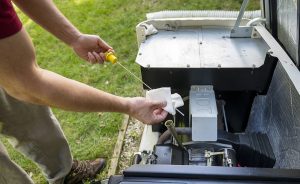
Why Many Generators Fail When They Are Needed Most
A common mistake is assuming that a generator will automatically start up after sitting idle for months. Like any machine, generators require regular maintenance to remain reliable. Over time, fuel can degrade, connections can loosen, and minor issues can turn into major malfunctions.
Homeowners often do not realize there is a problem until the power goes out and the unit fails to start. That moment can be stressful and even unsafe, especially during extreme weather conditions. Without a reliable source of power, your home can lose heating or cooling, refrigerated food can spoil, and sump pumps can stop working, leading to flooding or property damage.
The good news is that generator failure is often preventable. By testing and maintaining your equipment before a storm, you can reduce the risk of problems that lead to unexpected downtime.
The Real Cost of Skipping Maintenance
When a storm hits and your generator fails to start, the consequences can be more than just an inconvenience. Power outages can last for hours or even days, depending on the severity of the weather. During that time, a lack of electricity can disrupt your household or business in many ways.
For homeowners, it can mean spoiled food, frozen pipes, or being forced to leave the property to stay somewhere with power. For small business owners, this can result in lost sales, damaged equipment, or the inability to serve customers effectively. In both cases, the cost of repair or replacement can far exceed the cost of routine testing and maintenance.
Taking the time to test your generator in advance gives you peace of mind and helps identify potential issues before they become expensive emergencies.
Simple Steps to Test Your Generator Before a Storm
Testing your generator does not have to be complicated. With a few simple checks, you can confirm that your system is ready to operate when needed. Keep safety in mind, and always follow the manufacturer’s recommendations or contact a professional if you are unsure.
Here are some key steps to perform before storm season:
- Inspect your generator visually. Look for signs of wear, corrosion, or loose wires. Make sure there are no blockages around vents or air intakes, and confirm that the area is clear of debris.
- Check the fuel supply. Old or contaminated fuel can cause the engine to stall. Replace stale gasoline or diesel, and verify that your propane or natural gas connections are secure.
- Test the battery. A weak or dead battery is one of the most common reasons standby generators fail to start. Confirm that the battery terminals are clean and tight, and consider testing voltage with a meter.
- Run the generator. Start the unit and let it run under load for at least 20 to 30 minutes. Listen for unusual noises or vibrations, and make sure it delivers steady power.
- Inspect oil and filters. Low oil levels or clogged filters can reduce efficiency. Top off fluids if necessary and schedule a filter replacement if it has been a while since the last service.
- Review warning lights or error codes. Many modern standby generators display diagnostic alerts. Address any error codes promptly to avoid future malfunctions.
- Test transfer switch operation. If your generator is connected to an automatic transfer switch, confirm that it transitions smoothly between utility and backup power.
Performing these checks a few times a year, especially before storm season, helps keep your generator in top working condition.
Why Professional Testing Adds Value
While homeowners can handle basic checks, professional maintenance may offer a more comprehensive level of protection. Certified technicians have the tools and experience to identify issues that are not visible to the average user. They can test voltage output, inspect wiring integrity, and verify that the generator’s safety systems are working correctly.
A professional inspection may also include checking for leaks, cleaning internal components, updating software, and confirming that the system meets manufacturer standards. These steps can help extend the lifespan of your equipment and maintain warranty coverage.
Most professionals recommend having your generator serviced at least once a year, ideally before the peak storm season. A technician can also document service history, which may be helpful for warranty claims or future resale value.

Preparing for Long-Term Reliability
Testing your generator before a storm is not a one-time task. Regular attention keeps it dependable year after year. In addition to seasonal testing, consider the following long-term habits:
- Keep a log of each test and service appointment.
- Store extra fuel safely and rotate supplies to prevent degradation.
- Run your generator monthly for a short period to keep internal parts lubricated.
- Replace worn components promptly rather than waiting for a failure.
These small efforts may help your generator start faster, run more efficiently, and deliver steady power during the harshest weather conditions.
Safety Reminders During Generator Testing
Safety should always be a top priority. Never operate a generator in an enclosed space or near windows and doors, as exhaust gases contain carbon monoxide, a toxic gas. Make sure your home has working carbon monoxide detectors and adequate ventilation around the generator area.
Before performing any maintenance, disconnect power to avoid accidental startup. Keep your hands and tools away from moving parts, and use proper protective gear when handling fuel or batteries.
If you are unsure about a procedure or notice unusual behavior during testing, it may be best to contact a professional rather than risk injury or equipment damage.
Testing Now Can Prevent Panic Later
Storms are unpredictable, but your backup power does not have to be. Taking time to test your generator before bad weather can help you avoid panic and protect your home or business from costly disruptions.
A few minutes of preparation now can make all the difference when the lights go out. You may not be able to control the storm, but you can be ready for it.
If you need professional help testing or servicing your home backup generator, contact Oakwood Electric & Generator. Our team offers reliable maintenance, detailed inspections, and dependable advice to keep your standby system ready for anything. Contact us today to schedule an appointment and stay prepared for the next storm.