Generator Safety Tips Every Homeowner Should Know
This post explains how homeowners can keep their home standby generators safe and reliable during power outages. It is written for residents who want to protect their families, property, and appliances while maintaining consistent backup power. Oakwood Electric & Generator, a licensed electrical service provider with expertise in residential generator installation and maintenance, authored this guide which offers professional knowledge of code requirements, load management, and safe electrical practices. The content focuses on common risks including improper placement, ventilation issues, DIY wiring hazards, load mismanagement, and code non-compliance. It also outlines steps you can take to prevent these problems. It covers professional installation, ongoing maintenance, safety checks, proper generator placement, ventilation, grounding, and load management strategies to enjoy safe, long-term generator reliability.
Power outages can disrupt daily life in an instant. Lights go out, heating and cooling systems stop, refrigerators warm up, and communication becomes harder. A home standby generator can quickly restore normalcy, keeping your household comfortable and functional during unexpected outages. That sense of security is one of the main reasons many homeowners invest in backup power.
What often gets overlooked is that a generator is more than a convenience. It is a powerful electrical system that must be installed, placed, and operated correctly to remain safe. Without proper planning and professional installation, a generator can introduce serious risks to your home and family. Understanding generator safety helps you protect what matters most and ensures your system performs as intended during outages.
Why Generator Safety Matters More Than Many Homeowners Realize
When power outages strike in Westmont, standby generators offer families comfort and continuity. Refrigeration stays on, medical devices continue operating, and daily routines face fewer disruptions. That reliability can make generators feel like a simple solution to a complex problem.
The safety responsibilities that come with generator ownership are often underestimated. A generator produces electricity through combustion and high-voltage electrical connections. Improper installation, poor placement, or incorrect electrical integration can turn a dependable system into a serious hazard.
Many homeowners focus on choosing the right generator size or brand, assuming safety is automatically handled once the unit is installed. In reality, safe operation depends on ventilation, grounding, load management, and compliance with electrical and building codes. Skipping these considerations can expose your home to risks that remain hidden until an outage forces the system into operation.
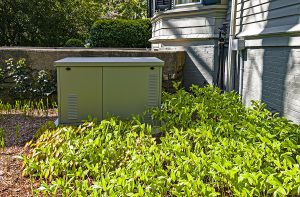
Hidden Risks of Improper Generator Placement and Ventilation
One of the most serious dangers associated with generators is carbon monoxide exposure. Generators burn fuel to produce power, releasing exhaust gases that must be directed safely away from living spaces. Improper placement can allow exhaust to accumulate near windows, doors, or vents.
Carbon monoxide is odorless and invisible, making it especially dangerous. Poor ventilation or incorrect placement can allow gas to build up inside the home without obvious warning signs. This creates life-threatening conditions that may develop while occupants are asleep or unaware.
Generators should never be installed too close to the home or in enclosed or poorly ventilated spaces. Placement decisions must account for airflow, prevailing winds, and the house’s layout. These considerations are difficult to evaluate without professional experience, which is why generator placement should never be treated as an afterthought.
Electrical Hazards Linked to DIY Generator Installation
DIY generator installation is another common source of safety problems. While online tutorials may make the process look straightforward, electrical integration involves risks that are easy to overlook.
One major concern is backfeeding. When a generator is improperly connected to a home’s electrical system, power can flow backward through utility lines. This creates a danger for utility workers who may be repairing lines during an outage, assuming they are de-energized.
Improper wiring can also overload circuits. Without proper load calculations and transfer equipment, generators may feed more power into circuits than they are rated to handle. This can damage appliances, overheat wiring, and increase the risk of electrical fires.
Electrical codes exist to prevent these hazards, but DIY installations often fail to meet key requirements. These issues may not become apparent until the generator is under full load during an outage, when the consequences are most severe.
Why Load Management Plays a Major Role in Generator Safety
Not every home circuit should be powered by a generator. Load management determines which systems receive power and how electrical demand is balanced. Without proper planning, a generator may struggle to support connected loads, leading to shutdowns or component damage.
Professional load analysis identifies which appliances and systems are prioritized during an outage. Heating equipment, refrigeration, medical devices, and lighting are typically managed differently than high-demand systems like electric ranges or large workshop tools.
Whole-house generator installation requires careful coordination between the generator, transfer switch, and electrical panel. This process balances performance and safety, allowing the generator to operate within its capacity while delivering dependable power.
Without proper load management, even a high-quality generator may fail to perform reliably when you need it most.
How Code Compliance Protects Your Home and Family
Electrical and building codes are not arbitrary rules. They are designed to reduce risk and protect occupants from hazards associated with combustion, electricity, and structural safety. Generator installations must meet these standards to function safely over the long term.
Code-compliant installation addresses grounding, bonding, clearances, ventilation, and electrical isolation from the utility grid. It also governs how fuel lines are installed and how exhaust is managed.
Failing to meet code requirements can affect more than safety. Non-compliant installations may void warranties, complicate insurance claims, or create issues during home inspections. These problems can surface years later, long after installation is complete.
Working with licensed professionals helps align your generator system with current standards and local requirements, including those applicable in and around Westmont, IL.
The Role of Professional Installation in Long-Term Reliability
A generator that is installed correctly from the start is easier to maintain and more reliable during outages. Licensed electricians evaluate site conditions, electrical capacity, and household needs before installation begins.
Professional installation includes proper placement, ventilation planning, grounding, and electrical integration. Transfer switches are installed to isolate the generator from the utility grid and to safely manage power flow. Fuel connections are handled with attention to leak prevention and accessibility.
A home standby generator installed by professionals is also tested under controlled conditions. This verification process confirms that the system starts properly, carries the expected load, and shuts down safely.
This level of preparation helps avoid unpleasant surprises during real outages.
Ongoing Safety Responsibilities After Installation
Generator safety does not end once installation is complete. Routine inspections and maintenance support continued safe operation. Over time, connections can loosen, vents can become obstructed, and control systems may require adjustment.

Homeowners should keep the area around the generator clear of debris and vegetation. Vent openings should remain unobstructed, and warning indicators should never be ignored.
Periodic professional service allows electricians to identify wear, address minor issues, and confirm that safety systems remain functional. This proactive approach supports confidence that the generator will perform as expected during extended outages.
Why Safety Equals Peace of Mind During Power Outages
The true value of a generator is peace of mind. That confidence only exists when you trust the system to operate safely and reliably. Knowing that your generator was installed properly, placed correctly, and integrated into your electrical system in accordance with code allows you to focus on your family rather than worry about hidden risks.
A properly installed generator does not just restore power; it also provides backup power. It restores confidence when it matters most.
Partner With Oakwood Electric & Generator for Safe Generator Solutions
Generator safety begins long before the first outage and continues throughout the life of the system. From placement and ventilation to electrical integration and load management, every detail plays a role in protecting your home.
Oakwood Electric & Generator supports homeowners with professional home standby generator services, including whole-house generator installation, electrical upgrades, and ongoing support. Working with licensed electricians helps reduce risk and supports safe operation during every outage.
If you are considering a generator or want to verify the safety of an existing system, contact us today to schedule a consultation and take the next step toward dependable, safe backup power for your home.