Electrical Upgrades Homeowners Often Overlook During Renovations
Many homeowners focus on visible changes during renovations while overlooking important electrical improvements. This is written for people remodeling their homes who want to avoid safety issues or costly rework. The perspective reflects Oakwood Electric & Generator’s experience helping clients integrate electrical upgrades during renovations. It covers which systems to evaluate, panel upgrades, adding circuits and outlets, wiring considerations for kitchens and bathrooms, and smart home and lighting planning.
You finally decide it is time to update your home. You picture new cabinets, fresh flooring, updated lighting, and a layout that better fits your life. As the plans come together, most of the focus naturally goes toward how everything will look and feel once it is finished.
But behind those visible upgrades is something just as important that often gets overlooked. Your electrical system has to support every improvement you make. If it cannot, those upgrades may not perform the way you expect. In some cases, they may even create safety concerns or force you into costly changes after the project is already complete.
Many homeowners do not realize how much their electrical system affects the success of a renovation until problems start showing up. Taking the time to plan electrical upgrades during the remodel can save you from frustration later and help your home function as well as it looks.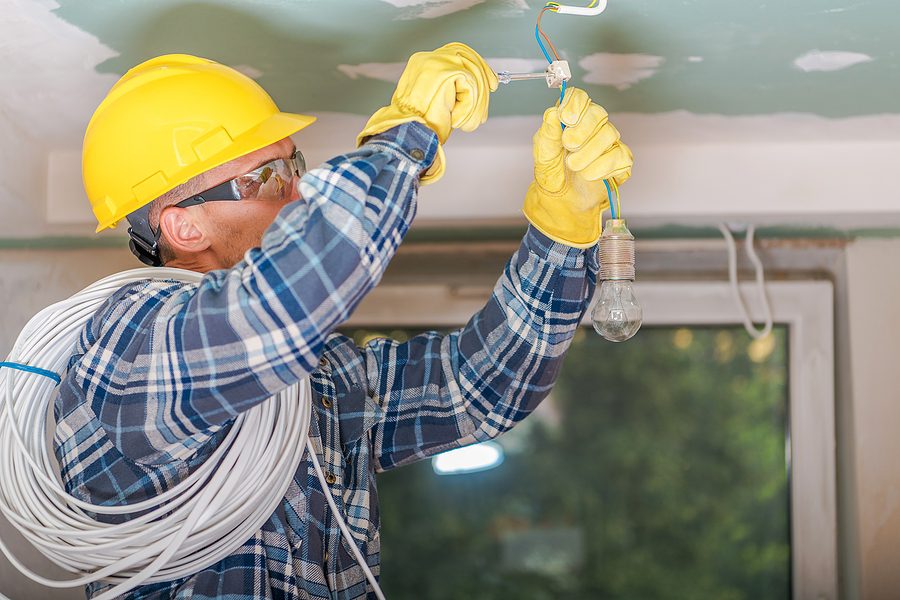
Why Electrical Planning Gets Overlooked
During a renovation, it is easy to focus on design choices. You are selecting finishes, comparing materials, and thinking about how each room will come together visually. Electrical work is less visible, so it often becomes an afterthought.
The challenge is that modern homes place far greater demands on electrical systems than older ones were designed to handle. New appliances, lighting designs, and technology all require proper wiring and capacity. Without the right infrastructure in place, even the most carefully designed space can fall short in daily use.
Planning ahead allows you to avoid limitations that might otherwise appear after everything is installed.
Electrical Systems That Deserve a Closer Look
Before starting your renovation, it helps to evaluate the current condition of your electrical system. Many older homes still rely on panels and wiring that were installed decades ago. These systems may not have the capacity to support modern upgrades.
Your electrical panel is one of the first components to review. It controls how power is distributed throughout your home. If it is already near capacity, adding new circuits for appliances or lighting may not be possible without an upgrade.
Wiring is another important consideration. Older wiring may not meet current standards or may not be suited for high-demand devices. Outlets, switches, and circuit layouts should also be reviewed to determine whether they align with your renovation plans.
Taking a comprehensive look at these elements early in the process helps you avoid surprises once construction begins.
The Role of an Electric Panel Upgrade
An electric panel upgrade is one of the most common improvements homeowners consider during a renovation. As you add new features to your home, your demand for electricity increases. Your panel needs to handle that demand safely and consistently.
If your home still has a smaller service capacity, it may struggle to support additional circuits. This can lead to frequent breaker trips or uneven power distribution. Upgrading your panel allows you to expand your system and support modern appliances, lighting, and technology.
While homeowners often ask about the cost of replacing an electrical panel, it is helpful to view this upgrade as part of the overall investment in your home. A properly sized panel supports reliability, reduces strain on your system, and allows for future improvements without additional major work.
Adding Outlets and Dedicated Circuits
One of the most noticeable issues in older homes is a lack of outlets. Renovations provide the perfect opportunity to correct this. Adding outlets in convenient locations improves both safety and usability. It reduces the need for extension cords and power strips, which can create clutter and increase risk.
Dedicated circuits are also important, especially for high-demand appliances. Kitchens, laundry rooms, and home offices often require circuits that are designed for specific equipment. Without them, you may experience overloads or inconsistent performance.
Planning outlet placement and circuit design during your renovation allows you to create a space that supports your daily routine without compromise.
Wiring Considerations for Kitchens and Bathrooms
Kitchens and bathrooms place unique demands on electrical systems. These spaces often include a combination of high-powered appliances, moisture exposure, and specialized lighting.
In the kitchen, appliances like ovens, cooktops, refrigerators, and dishwashers each require proper power supply. Lighting also plays a larger role, with under cabinet lighting, task lighting, and ambient lighting all working together. Each of these elements needs to be planned carefully to avoid overloading circuits.
Bathrooms also require thoughtful planning. Outlets must be placed safely and meet current code requirements. Ventilation systems, lighting, and heated features all add to the electrical load. Proper wiring helps create a space that is both functional and comfortable.
Addressing these details during a renovation is far easier than trying to make changes later.
Planning for Smart Home and Lighting Upgrades
Modern homes often include smart technology that enhances convenience and efficiency. From automated lighting to smart thermostats and security systems, these features rely on a well-designed electrical system.
Lighting upgrades also require careful planning. Layered lighting designs can transform a space, but they often involve multiple circuits and control systems. Without proper wiring, you may not be able to achieve the look or functionality you want.
By planning for these upgrades during your renovation, you can integrate them seamlessly into your home rather than adding them as an afterthought.
Why Timing Matters During a Renovation
One of the biggest advantages of addressing electrical upgrades during a renovation is accessibility. Walls, ceilings, and floors are already open, making it easier to run new wiring, install circuits, and upgrade components.
If you wait until after the renovation is complete, making these changes becomes more complicated and expensive. You may need to open finished walls, remove fixtures, or disrupt completed spaces.
Taking care of electrical improvements at the right time allows the work to be completed more efficiently and with less disruption to your home.
Commonly Overlooked Electrical Improvements
Many homeowners focus on the most obvious upgrades and miss smaller changes that can have a big impact. During your renovation, it is worth considering the following:
- Upgrading your electrical panel to support additional circuits and modern demand
- Adding outlets in areas where you frequently use devices
- Installing dedicated circuits for high-powered appliances
- Updating wiring that may be outdated or undersized
- Planning for future additions like electric vehicle chargers or home offices
- Improving lighting control with dimmers or smart switches
- Evaluating surge protection for your home
These improvements may not be as visible as new finishes, but they play a major role in how your home functions every day.
How Professional Guidance Makes a Difference
Electrical planning can feel overwhelming, especially when you are already making many decisions about your renovation. Working with a skilled team helps simplify the process and gives you confidence that nothing is being overlooked.
At Oakwood Electric & Generator, the focus is on helping you align your electrical system with your renovation goals. This includes evaluating your current setup, recommending upgrades where needed, and completing the work with attention to detail.
Experienced electricians can identify potential issues before they become problems. They can also help you make informed decisions about upgrades, including whether an electric panel upgrade makes sense for your home and how it fits into your overall renovation plan.
Having the right guidance allows you to move forward knowing your home will support your improvements now and in the future.
Make Sure Your Renovation Works as Well as It Looks
A successful renovation is about more than appearance. It is about creating a home that functions smoothly, safely, and efficiently every day. By addressing electrical upgrades during the process, you can avoid limitations, reduce the risk of future problems, and get the most out of your investment. If you are planning a renovation, contact Oakwood Electric & Generator to discuss your electrical needs. Their team can help you evaluate your system, recommend the right upgrades, and complete the work so your home is ready for everything you have planned.