Adding Recessed Lighting? Here’s Why Your Home May Need a 200-amp Panel
You flip the switch after a long day, and the room still feels dim. Lamps crowd corners and shadows hang over the space. You imagine recessed lights bringing a calm glow across the ceiling. Many homeowners reach this moment and feel excited. Then the lights go out, and breakers start tripping. The room looks better, but the home feels stressed. That surprise often leads back to the electrical panel.
Recessed lighting can reveal limits that have been hiding for years. Older homes were not built for today’s power use. When new lights are added, the panel may struggle to keep up.
How Recessed Lighting Adds Load to Your System
Recessed lights are often installed in groups. A single room can need six or more fixtures to look balanced. Each light adds to the circuit’s demand. When you multiply that across several rooms, the load rises fast.
Why added lighting matters:
• Each fixture pulls power for the light and the driver
• Dimmers and smart controls add extra draw
• Multiple rooms often share the same panel capacity
The U.S. Energy Information Administration reports that the average home now uses about 30% more electricity than homes did in the 1980s. Lighting upgrades contribute to that increase. A licensed electrician considers how new lighting affects the entire system, not just one switch.
Signs Your Panel May Be Undersized
Your home often gives warning signs before a failure happens. Many people miss them or brush them off. These signals matter more once recessed lighting is added.
Common warning signs:
- Breakers trip when lights turn on
- Lights flicker when appliances run
- Panel feels warm to the touch
- Buzzing sounds near breakers
According to the Electrical Safety Foundation International, homes with outdated panels face a higher risk of electrical fires. Panels that run near their limit work harder and wear faster. A licensed electrician can tell if these signs point to normal wear or a deeper issue.
Why Older Panels Struggle With Modern Homes
Many homes around Westmont still run on one-hundred-amp service. That level once handled basic lighting and a few appliances. Today, homes power more devices at the same time.
Recessed lighting often joins other upgrades like electric vehicle chargers, standby generators, and smart systems. The panel becomes the bottleneck. When capacity runs out, safety margins shrink.
A 200-amp panel offers room to breathe. It supports modern lighting while allowing future growth. This does not mean every home needs one. It means the option should be reviewed when lighting changes are planned.
How a 200-amp Panel Supports Today and Tomorrow
A 200-amp panel increases the amount of power your home can safely handle. It spreads the electrical load across more circuits, reducing stress on each breaker.
Homes with higher-capacity panels often handle upgrades with fewer issues. The National Association of Home Builders notes that electrical capacity is a top concern for buyers looking at remodeled homes. Properly functioning lighting adds comfort and value.
For homeowners planning energy-efficient electrical upgrades, added capacity makes a difference. Efficient fixtures still need stable power. A strong panel supports performance and reliability over time.
When an Electrical Panel Upgrade Makes Sense
An electrical panel upgrade should never be automatic. It should be based on real data from your home. Adding recessed lighting often prompts that review.
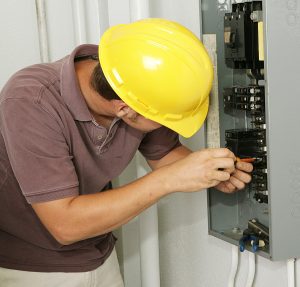
A licensed electrician evaluates your panel size, wiring condition, and current load. They calculate how much power your home uses at peak times. This approach avoids pushing unnecessary upgrades.
The Department of Energy reports that homes with balanced electrical systems waste less power overall. Properly sized panels help energy-efficient electrical upgrades perform as intended.
What a Licensed Electrician Looks For During an Evaluation
A proper evaluation goes beyond a quick glance. It involves testing and careful review.
Key steps in a panel review:
• Measuring current load during peak use
• Checking breaker condition and spacing
• Inspecting wiring age and type
• Reviewing planned lighting layouts
This process determines whether a 200-amp panel is required or whether your current system can handle the change. A licensed electrician explains the findings in clear terms so you can make an informed decision.
How Oakwood Electric & Generator Approaches Lighting Projects
Oakwood Electric & Generator takes a measured approach to lighting upgrades. Our team understands that recessed lighting often opens a bigger conversation about capacity and safety.
We review your goals first. Then we assess the panel and wiring before any cuts are made. This method helps avoid surprise costs later. It also helps protect your home during and after work.
Many homeowners appreciate knowing that an electrical panel upgrade is suggested only when the numbers support it. That trust matters when making long-term decisions about your home.
Planning Ahead Brings Peace of Mind
Recessed lighting should improve how your home feels. It should not create stress or risk. When panel limits are ignored, small upgrades can lead to larger problems.
Working with a licensed electrician helps connect the dots between lighting and power capacity. It keeps your home ready for energy-efficient electrical upgrades and future needs. Oakwood Electric & Generator offers clear guidance based on experience and careful evaluation. If your lighting plans raise capacity questions, reaching out early can save time, money, and worry while keeping your home comfortable and safe. Contact us today to schedule a consultation and ensure your home’s electrical system is ready for your lighting upgrades.