Common Electrical Code Violations Found in Residential Homes
Many homeowners assume their electrical system is safe if the lights work and the breakers do not trip. This article is written for homeowners who want to better understand common electrical code violations, especially in older homes or properties that have been remodeled. The perspective reflects Oakwood Electric & Generator’s experience inspecting residential electrical systems and identifying safety concerns. It explains common code violations, why they matter, and when a professional electrical inspection may be recommended.
You flip a light switch every day without giving it a second thought. You plug in appliances, charge your phone, and run your HVAC system expecting everything to work safely. But if your home’s electrical system hasn’t been updated in years, or if previous renovations included do-it-yourself electrical work, hidden code violations could be sitting behind your walls.
Many homeowners assume that if the lights turn on and the outlets work, everything is fine.
Unfortunately, electrical code violations often remain unnoticed until a home inspection, remodeling project, or electrical failure uncovers them. Some violations may seem minor, but they can increase the risk of shocks, fires, damaged equipment, and costly repairs. They may also create complications when selling your home or filing an insurance claim after an electrical incident.
Understanding the most common residential electrical code violations can help you identify concerns before they become bigger problems.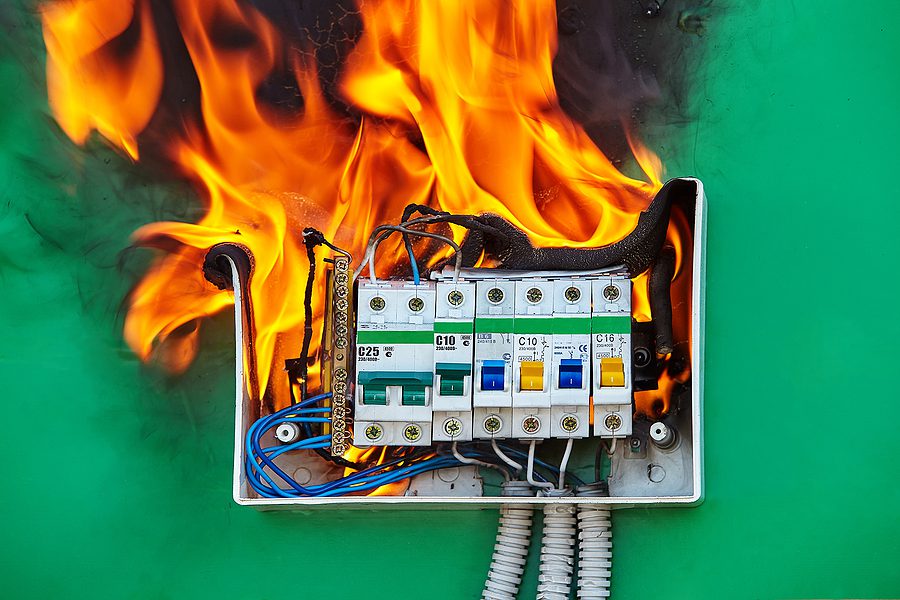
Why Electrical Code Compliance Matters
Electrical codes are designed to improve safety and are updated regularly as technology changes and new hazards are identified. A home built decades ago is not automatically unsafe, but electrical systems that have been modified without proper permits or inspections are more likely to contain violations.
Even repairs completed with good intentions can create problems if they do not meet current standards. Keeping your home’s electrical system code compliant helps protect your family while supporting smoother insurance inspections and real estate transactions.
Missing GFCI or AFCI Protection
One of the most common violations involves missing Ground Fault Circuit Interrupter (GFCI) and Arc Fault Circuit Interrupter (AFCI) protection. GFCI outlets reduce the risk of electrical shock by shutting off power when they detect an imbalance in electrical current. Current codes require GFCI protection in areas where moisture is present, including:
- Kitchens
- Bathrooms
- Garages
- Laundry rooms
- Basements
- Outdoor outlets
- Crawl spaces
AFCI devices detect dangerous electrical arcing caused by damaged wiring or loose connections. Many living areas now require AFCI protection to help reduce the risk of electrical fires. Older homes often lack one or both of these safety features because they were not required when the home was built.
Overcrowded Electrical Panels and Double-Tapped Breakers
As electrical demand increases, homeowners sometimes outgrow their existing electrical panels. One common violation is a double-tapped breaker, where two wires are connected to a breaker designed for only one conductor. This can create loose connections, overheating, and unreliable circuit protection. Panels may also contain overloaded circuits, oversized breakers, or inaccurate labeling. A properly sized electrical panel distributes power more safely and makes future maintenance easier.
Improper Grounding and Bonding
Grounding and bonding are hidden behind walls and inside electrical panels, but they play an important role in electrical safety. Grounding provides a safe path for fault current, while bonding connects metal components so they remain at the same electrical potential.
If either is installed incorrectly, electrical faults may not clear properly, increasing the risk of shock or equipment damage. These issues are often discovered after amateur electrical work or outdated installations.
Exposed or Unsecured Wiring Connections
Every electrical connection should be properly enclosed inside an approved electrical box.
Open junction boxes, exposed wire splices, hanging cables, and unsecured wiring are common code violations found in homes.
Electrical boxes protect wiring connections and help contain sparks if a connection fails. Wiring should also be securely fastened to prevent damage caused by movement or accidental contact. While these issues may appear small, they can create significant safety concerns over time.
Outdated Aluminum and Knob-and-Tube Wiring
Many older homes still contain wiring systems that no longer meet today’s expectations.
Knob-and-tube wiring lacks modern grounding features and was never intended to support today’s electrical demands.
Some homes built during the late 1960s and early 1970s contain aluminum branch wiring, which can loosen over time if improper connectors are used.
Neither system automatically requires replacement, but both should be evaluated by a qualified electrician to determine whether repairs or upgrades are appropriate.
Improper Outdoor and Basement Wiring
Basements, garages, crawl spaces, and outdoor spaces are common locations for electrical additions completed years after a home was built. Common violations include indoor-rated wiring used outdoors, missing weatherproof covers, improperly supported conduit, unprotected cables, and outlets without GFCI protection.
Because these areas are exposed to moisture and changing conditions, using the proper materials helps electrical systems remain safe and reliable.
How Code Violations Can Affect Insurance and Home Sales
Electrical code violations often become apparent during home inspections or insurance claims.
Buyers may request repairs before closing, delaying the sale or increasing costs. Insurance companies may also examine electrical conditions after a fire or other major claim.
Correcting violations before they become larger problems can save time, money, and unnecessary stress.
Protect Your Home With a Professional Electrical Inspection
Most homeowners cannot see what is happening behind their walls or inside their electrical panels. That is why professional inspections become increasingly valuable as homes age or undergo renovations.
At Oakwood Electric & Generator, our experienced electricians can identify electrical code violations, evaluate outdated wiring, and recommend practical solutions that improve safety and reliability. Whether you are remodeling, buying an older home, preparing to sell, or simply want peace of mind, we can help you understand the condition of your electrical system. Contact Oakwood Electric & Generator today to schedule an inspection.