When Outdated Wiring Prevents Lighting Improvements
Many homeowners begin lighting upgrade projects without realizing their existing wiring may not safely support modern fixtures, smart controls, or expanded electrical loads. This article is written for homeowners planning lighting improvements in older homes. The perspective reflects Oakwood Electric & Generator’s experience evaluating outdated electrical systems before lighting upgrades begin. It covers how aging wiring creates safety and installation challenges, what electricians inspect during evaluations, and when rewiring may be necessary before modern lighting can be installed safely.
You are ready to upgrade your home lighting. Maybe you want recessed lighting in your living room, smart lighting controls that follow your schedule, or better outdoor lighting to improve visibility and security.
You start planning the layout. New fixtures, cleaner design, and a more modern feel throughout your home.
Then the electrician opens a switch box or ceiling junction and discovers a problem: the wiring inside your home is not equipped to support the upgrades you want.
At that point, the project becomes more about whether your electrical system can safely handle the change.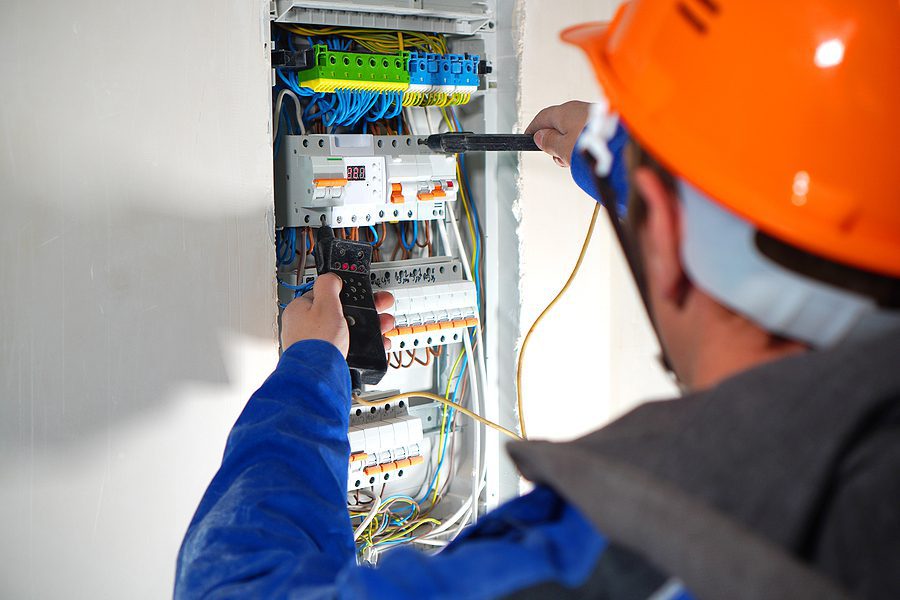
When Old Wiring Gets in the Way of Modern Lighting
Many homes still rely on electrical systems installed decades ago. Those systems were designed for far fewer electrical demands than most households have today.
Older homes may still contain knob-and-tube wiring, aluminum branch wiring, or outdated non-grounded circuits. Even homes that have received partial electrical updates can still have older wiring hidden behind walls or ceilings.
These systems were not designed for modern lighting upgrades. Recessed lighting, LED retrofits, smart switches, and expanded outdoor lighting all place different demands on your electrical circuits.
A single ceiling fixture that worked fine years ago may not support multiple fixtures, dimmers, or connected lighting controls today.
Why Older Wiring Struggles With Modern Lighting
Modern lighting systems are more advanced than traditional fixtures. While LED lighting uses less electricity overall, many newer systems require stable, properly grounded wiring and updated electrical components.
Smart lighting systems also place constant demands on circuits because they remain connected to networks and controls at all times. Adding several fixtures to one circuit can push older wiring beyond what it was designed to handle.
In many older homes, circuits are already close to capacity before any upgrades are added. That leaves little room for upgrades.
Electricians may also discover grounding problems, outdated junction boxes, or incompatible wiring connections that complicate installation. When the system cannot safely support the additional load, lighting upgrades often must pause until the electrical system is updated.
The Hidden Safety Risks Behind the Walls
The biggest concern with outdated wiring is not convenience. It is safety.
Over time, insulation around wiring can crack, wear down, or deteriorate. Exposed conductors increase the risk of electrical faults and overheating. Older connections can also loosen over time, creating heat buildup behind walls or ceilings.
Some outdated systems also lack proper grounding, which affects how safely modern fixtures operate, especially those with electronic components or metal housings.
These problems may not be obvious. Everything can appear normal until new lighting loads are added to the system. That is often when hidden issues begin to show up.
Warning signs may include:
- Flickering lights
- Frequently tripped breakers
- Warm switch plates
- Burning smells
- Dimming lights when appliances turn on
These symptoms often indicate that the wiring system is struggling to keep up.
Why Lighting Upgrades Are More Complex in Older Homes
Installing new lighting in an older home is rarely as simple as replacing fixtures.
Recessed lighting may require new wiring paths through ceilings that were never designed for additional electrical runs. Smart switches may require updated switch boxes or neutral wires that older systems do not have.
Outdoor lighting can create challenges if exterior circuits are outdated or overloaded.
Electricians also commonly find electrical boxes that are too small for modern wiring connections. In some cases, walls or ceilings must be opened to safely install new wiring.
What looks like a straightforward lighting project on the surface often depends entirely on what is hidden behind the walls.
How Electricians Evaluate Wiring Before Upgrades
Before beginning a lighting upgrade, a qualified electrician will inspect the home’s electrical system to determine whether it can safely support the planned improvements.
This evaluation typically includes:
- Checking circuit capacity
- Inspecting the condition of existing wiring
- Identifying outdated materials
- Reviewing grounding and bonding
- Examining switch boxes and junctions
Electricians also look at how electrical loads are distributed throughout the home. In older houses, uneven circuit distribution can limit where new lighting can be installed safely.
If wiring is damaged, overcrowded, or outdated, those areas may need to be upgraded before new fixtures are added.
This inspection helps prevent installation problems and gives homeowners a clear understanding of necessary updates.
When Rewiring Becomes Necessary
Sometimes lighting improvements require more than new fixtures. They require wiring upgrades as well.
Rewiring may be needed if:
- Existing circuits cannot support additional load
- Wiring insulation is deteriorating
- Proper grounding is missing
- Circuits no longer meet current electrical standards
In some homes, only partial rewiring is necessary. Specific rooms or circuits connected to the new lighting may simply need to be updated.
While rewiring can feel like an unexpected step, it creates a safer and more reliable electrical foundation. It also allows future upgrades to move forward more easily without the same limitations.
Instead of working around an outdated system, you are improving the infrastructure that supports your home.
A Safer Path Forward for Lighting Upgrades
Lighting upgrades should improve your home, not expose hidden electrical problems. Understanding the condition of your wiring before installation begins helps prevent safety concerns, performance issues, and costly repairs later.
Older wiring does not automatically mean your lighting plans have to stop. It simply means your electrical system may need updates before modern fixtures can be installed safely.
Oakwood Electric & Generator evaluates existing wiring systems and identifies what needs to be updated before lighting projects move forward. Whether you are installing recessed lighting, upgrading fixtures, or redesigning your indoor or outdoor lighting, the goal is to make sure your electrical system can safely support the improvements. Contact us to schedule a professional evaluation.