Can Your Electrical Panel Handle a Whole-House Recessed Lighting Upgrade?
Many homeowners assume recessed lighting is a simple cosmetic upgrade without considering how it affects their electrical system. This article is written for property owners planning a whole-house lighting project who want to understand whether their current panel can support the added load. Drawing on Oakwood Electric & Generator’s experience with panel evaluations and upgrades, it explains how fixture count, circuit distribution, and overall amperage capacity impact performance and safety. It outlines the practical factors to review before beginning installation.
You stand in your living room and imagine how different it would feel without the bulky fixtures hanging from the ceiling. You picture clean lines, soft lighting, and rooms that feel brighter and more open. Recessed lighting seems like a simple upgrade. It looks modern. It makes your home feel updated.
Then a practical question pops into your head. Can your electrical panel support all of those new lights?
If you live in Westmont or a nearby community, your home may have been built decades ago. Back then, electrical systems were designed for far fewer devices. Now you are thinking about adding recessed lighting throughout the kitchen, family room, bedrooms, and maybe even the basement. That is not just a cosmetic change. It is a system-wide electrical decision.
Before you start cutting holes in drywall, it helps to understand how your panel fits into the picture.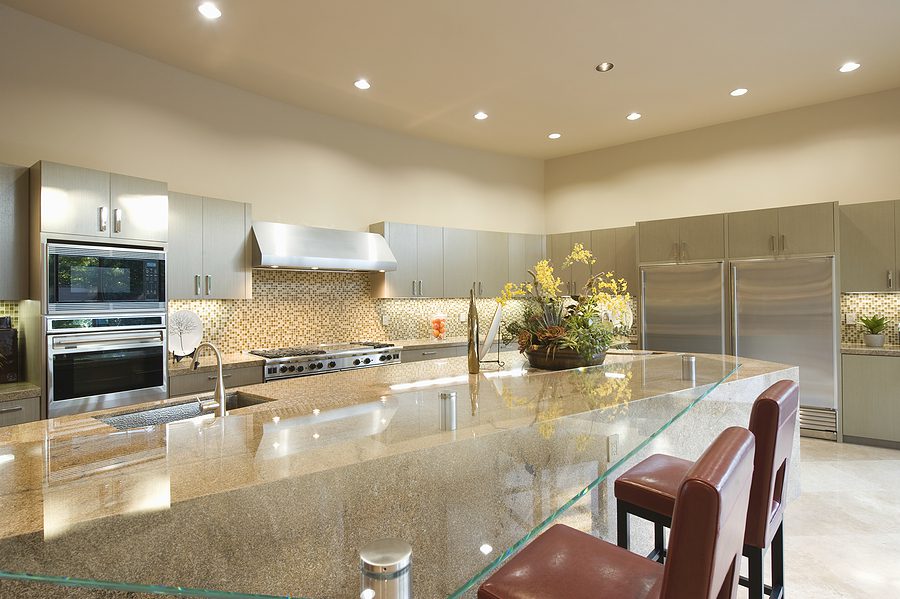
How Recessed Lighting Affects Your Electrical System
At first glance, recessed lighting seems minor. Individual LED fixtures use less energy than older incandescent bulbs. That makes them attractive as part of your energy-efficient electrical upgrades.
The impact becomes clearer when you think about the total number of fixtures. You might add six lights in the kitchen, eight in the family room, four in each bedroom, and several in hallways. Suddenly you are not adding one or two loads. You are adding dozens.
Each recessed light draws power from a circuit. That circuit connects back to your panel. Every additional fixture contributes to the cumulative load your panel must manage. Even if each LED uses a modest amount of electricity, the combined demand can be significant.
The picture changes again if you include dimmers or smart controls. Modern dimmer switches contain electronics that also draw power. Smart lighting systems connect to your Wi-Fi network and rely on control modules. These features increase convenience and flexibility, but they also increase electrical demand.
Your panel is the traffic controller for all of it. If it is already close to its limit, adding widespread recessed lighting can push it further than intended.
Understanding Panel Capacity
Your electrical panel has a specific amperage rating. Many older homes still operate on 100 amp service. Newer homes often have a 200 amp panel, which provides greater capacity for today’s electrical needs.
Amperage determines how much electricity your home can safely use at one time. It is not just about lighting. Your panel also supports your HVAC system, kitchen appliances, laundry equipment, garage outlets, and any home office equipment.
If your household has grown over the years, your electrical usage likely has as well. Large televisions, gaming systems, additional refrigerators, and electric vehicle chargers all draw power. Recessed lighting may seem small by comparison, but it adds to the overall load.
An electrical panel upgrade may not be required in every case. The key is understanding where you stand before installation begins.
Why Older Panels Can Be a Limiting Factor
If your home is more than 25 or 30 years old, your panel may not reflect modern living. Breaker spaces might already be filled. Circuits could be shared between rooms in ways that do not align with current usage.
Older panels may have crowded breakers or limited room for expansion. Even if there is physical space for additional breakers, the total amperage may be close to its maximum. That can make adding new lighting circuits more complicated than expected.
You might not notice any issues today. Everything works. Breakers rarely trip. That does not automatically mean you have capacity to spare. Some panels operate near their limit for years before a new load tips the balance. Recessed lighting installed throughout the house can be that tipping point.
What Happens If the Panel Is Overloaded
An overloaded panel does not always fail dramatically. The warning signs can be subtle at first. You may notice breakers tripping more frequently after your new lighting is installed. Lights might flicker when major appliances turn on.
In more serious cases, overheating can occur inside the panel. That creates safety concerns and can shorten the lifespan of breakers and wiring. Electrical systems are designed with safety margins. Pushing beyond those margins is not a risk worth taking.
One challenge is that problems may not appear immediately. Your lighting upgrade could work fine for months. Then summer arrives and your air conditioning runs constantly. Add in cooking, laundry, and entertainment devices, and the panel experiences higher simultaneous demand. That is often when weaknesses show up.
Planning ahead avoids scrambling to fix issues after drywall has already been repaired and painted.
A Professional Assessment Makes the Difference
Before committing to a whole-house recessed lighting upgrade, it is wise to have a licensed electrician evaluate your system. This is not about selling you a bigger panel. It is about understanding your current capacity and how your planned changes fit into it.
A thorough assessment includes:
- Reviewing your panel’s amperage rating and overall condition
- Calculating your home’s existing electrical load
- Factoring in the number and type of recessed fixtures you plan to install
- Identifying available breaker space and circuit distribution
- Considering other future upgrades that may increase demand
This process gives you a clear picture of whether your current setup can support the project or if an electrical panel upgrade makes sense.
Oakwood Electric & Generator works with homeowners who want reliable answers before moving forward. Their team looks at your entire system, not just the lighting plan.
The Role of a 200 Amp Panel in Modern Homes
For many families, a 200 amp panel offers flexibility. It provides room for lighting expansions, appliance upgrades, and future additions without constantly worrying about capacity.
If your home still runs on 100 amp service and you are planning widespread recessed lighting, this may be the right time to consider an upgrade. A panel replacement is easier to coordinate before ceilings are opened and circuits are rerouted.
That does not mean every lighting project requires a 200 amp panel. Some homes have sufficient capacity already. The point is to evaluate rather than assume.
Think about your long-term plans. Are you considering finishing the basement, installing a hot tub, or adding an electric vehicle charger? Combining projects into one thoughtful upgrade can save time and disruption later.
Balancing Circuits for Better Performance
Panel capacity is only part of the equation. How your circuits are arranged also matters.
If all of your new recessed lighting ties into a single existing circuit, that circuit could become overloaded even if your panel has available amperage. Distributing lighting across multiple circuits balances demand and improves reliability.
A licensed electrician can design your lighting layout with circuit balance in mind. That includes separating high-demand areas from general lighting and accounting for shared spaces.
Proper planning also makes troubleshooting easier in the future. If a breaker trips, you will not lose lighting across half the house. Instead, circuits are organized logically and efficiently.
Lighting Upgrades and Long-Term Planning
Recessed lighting often serves as the first step in broader energy-efficient electrical upgrades. Once you see how much brighter and cleaner your home feels, you may want to replace older outlets, add smart switches, or update other fixtures.
Looking at your panel as part of a larger strategy helps you avoid piecemeal changes. Instead of reacting to capacity issues, you can plan for them.
Homeowners value comfort and quality workmanship. You want improvements that last. Taking the time to evaluate your electrical system before adding dozens of new fixtures protects that investment.
Your panel may be out of sight in the basement or garage. Still, it plays a central role in how well every upgrade performs.
Work With Professionals Who See the Big Picture
Lighting design focuses on aesthetics. Electrical planning focuses on performance and safety. Both matter.
Oakwood Electric & Generator approaches recessed lighting projects with the whole system in mind. Their skilled team does not just install fixtures. They assess your panel, calculate load requirements, and recommend adjustments if needed.
That guidance helps you avoid surprises after installation. It also supports future flexibility if your electrical needs grow.
You deserve lighting that enhances your home without creating hidden strain behind the scenes.
Ready to Upgrade Your Lighting the Right Way?
A whole-house recessed lighting upgrade can transform how your home looks and feels. Behind that transformation is your electrical panel, which must support the added load from new fixtures, dimmers, and smart controls. Evaluating your panel capacity, balancing circuits, and considering whether a 200 amp panel or electrical panel upgrade is appropriate protects both your comfort and safety.
If you are planning lighting improvements in Westmont or nearby communities, contact Oakwood Electric & Generator. Their experienced team will assess your system, explain your options clearly, and help you move forward with confidence.