Why Whole-House Surge Protection Matters After Electrical Remodeling
Homeowners often focus on new lighting, panel upgrades, and added circuits during remodeling without considering how those changes affect surge vulnerability. This article is written for property owners who have recently completed electrical renovations and want to protect their upgraded systems. Based on Oakwood Electric & Generator’s experience with panel-level protection and post-remodel evaluations, it explains how power surges impact modern electronics and why whole house surge protection should be part of a comprehensive electrical plan. It outlines practical reasons to install protection before damage occurs.
You finally did it. After months of planning, budgeting, and living around contractors, your home looks the way you always imagined. The outdated light fixtures are gone. Recessed lighting brightens your kitchen. Your panel has been upgraded. Maybe you even added a home office circuit or installed new appliances to match your renovated space.
It feels good to flip a switch and see everything working perfectly. Then a summer storm rolls through. The lights flicker for a split second. Your heart skips. Everything seems fine, but you cannot help wondering what just ran through those brand-new circuits.
Electrical remodeling improves comfort, convenience, and efficiency. What many homeowners do not realize is that those upgrades can also increase your exposure to power surges. If you invested in new wiring, modern lighting, and energy-efficient electrical upgrades, protecting that investment should be part of the plan. That is where whole house surge protection comes in.
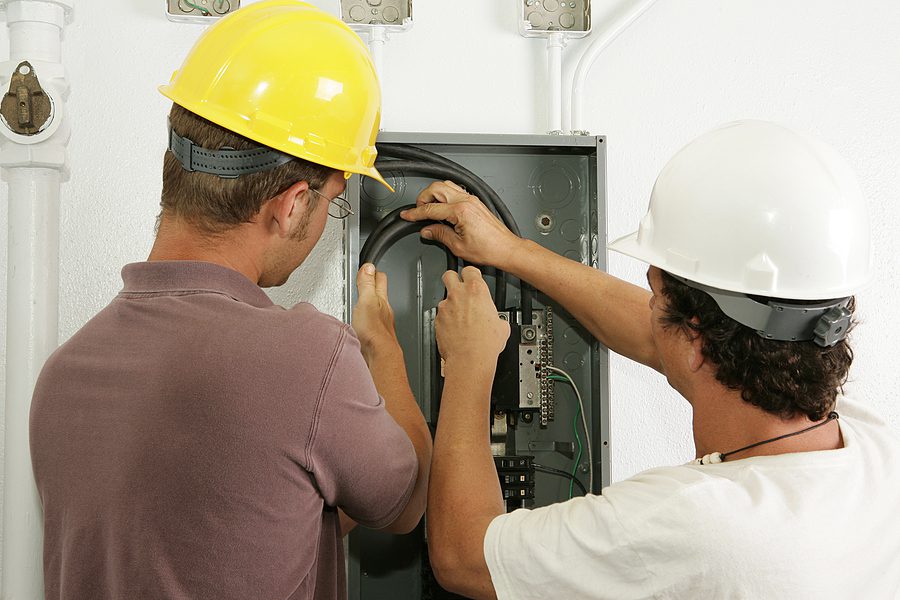
Remodeling Changes the Way Power Moves Through Your Home
Any time you update your electrical system, you change how electricity flows through your house. A panel upgrade, additional circuits, or expanded capacity can improve performance and safety. It also alters the internal pathways that distribute power to every outlet, switch, and appliance.
If your remodeling project included a service panel replacement, you likely increased your home’s electrical capacity. That allows you to run more devices at once without overloading circuits. It also means your system can carry more energy. During a surge event, that increased capacity can allow a larger spike to travel through your wiring.
Adding new circuits for a kitchen remodel, basement finish, or home addition creates more entry points for voltage fluctuations. Every new line tied into your panel becomes part of a connected network. If a surge hits one area, it can move across circuits quickly.
Homes with upgraded systems are not poorly installed. In fact, they are often safer and more efficient. They are simply more complex. The more connected your system becomes, the more pathways a surge can travel through.
Modern Devices Are More Sensitive Than You Think
Years ago, most homes relied on basic appliances and simple light fixtures. Today, your remodeled home likely includes recessed LED lighting, smart switches, Wi-Fi thermostats, high-end kitchen appliances, and built-in charging stations.
Those upgrades look clean and modern. Inside, they rely on delicate electronics.
Recessed lighting often uses drivers that regulate current. Smart devices contain circuit boards that manage communication and automation. High-efficiency appliances use advanced control panels to reduce energy use. All these components are designed to operate within a narrow voltage range.
A large surge from a lightning strike can cause immediate failure. Smaller spikes are more common and often go unnoticed. They can occur when large appliances cycle on and off, during utility grid switching, or from nearby power disturbances.
These minor surges may not shut your system down instantly. Instead, they chip away at sensitive components. Over time, you may notice flickering lights, appliances that stop working prematurely, or electronics that fail without a clear cause.
If you invested in energy-efficient electrical upgrades to improve your home’s performance, it makes sense to protect the technology that makes those upgrades possible.
The Hidden Cost of Repeated Power Surges
It is easy to underestimate the financial impact of voltage spikes. One damaged appliance is frustrating. Replacing multiple devices over several years becomes expensive.
Consider what is connected to your electrical system right now. Your refrigerator, dishwasher, HVAC equipment, washer and dryer, televisions, computers, gaming systems, and charging devices are all part of the same network. Many of these items contain microprocessors that are highly sensitive to fluctuations.
You might replace a failed microwave and never connect it to a surge. A few months later, your HVAC control board malfunctions. Later still, a television refuses to turn on. Each event feels separate. Repeated exposure to small surges may have contributed to all of them.
Repair costs add up quickly. Replacement of major appliances or HVAC components can cost thousands of dollars. That does not include the inconvenience of being without air conditioning during a humid Illinois summer or losing a refrigerator full of groceries.
Protecting your system at the source is often more practical than reacting to failures after the fact.
What Whole House Surge Protection Actually Does
Whole house surge protection is installed directly at your electrical panel. Instead of protecting a single outlet, it monitors the incoming power to your entire home.
When a surge occurs, the device diverts excess voltage safely to the ground before it can travel through your circuits. This helps protect lighting, appliances, HVAC systems, and hardwired equipment.
Unlike plug-in power strips, whole house surge protection covers the systems you cannot plug in. Your furnace, air conditioner, built-in microwave, and hardwired lighting do not connect to outlet strips. Without panel-level protection, they remain exposed.
A complete approach often includes:
- A surge protective device installed at the main service panel
- Proper grounding and bonding verification
- Coordination with any existing point-of-use protectors
- Inspection of panel capacity after remodeling
Point-of-use protectors can still be helpful for home offices or entertainment centers. They work best as a secondary layer. The first line of defense should be at the panel where power enters your home.
Timing Matters After Electrical Remodeling
If you recently completed a renovation, now is the ideal time to think about surge protection. Your panel may already be open and accessible. Your electrical layout has just been updated. Installing whole house surge protection during or immediately after remodeling allows everything to work together from the start.
Waiting until after a problem occurs defeats the purpose. You renovated to improve comfort, safety, and reliability. Protecting that investment should not be an afterthought.
Homeowners often upgrade their kitchens, basements, and outdoor spaces to match their lifestyle. These projects typically increase electrical demand. By pairing remodeling with surge protection, you reduce the risk of damage from storms or utility fluctuations common in the region.
Why a Licensed Electrician Makes a Difference
Surge protection is not a do-it-yourself upgrade. It connects directly to your service panel and must be installed correctly to function as intended. Improper installation can reduce effectiveness or create safety hazards.
A licensed electrician understands panel configuration, grounding systems, and load distribution. They can evaluate whether your current setup supports a surge protective device and recommend the appropriate rating for your home’s capacity.
Oakwood Electric & Generator works with homeowners throughout Westmont and nearby communities who want electrical work done right the first time. If your remodeling project involves panel upgrades or new circuits, their team can assess your system and recommend protection that matches your usage and equipment.
You invested in quality finishes and dependable electrical upgrades. It makes sense to have surge protection installed with the same level of care.
Peace of Mind for Your Family
Your home is more than wiring and devices. It is where your family cooks dinner, does homework, relaxes, and works remotely. Electrical reliability affects daily life more than you might realize.
A single storm should not leave you wondering whether hidden damage occurred behind your walls. Whole house surge protection adds a layer of confidence. You can run your appliances, charge your devices, and enjoy your upgraded lighting without second-guessing every flicker.
For families who value comfort, efficiency, and long-term savings, protecting electrical improvements is a practical step. It supports the performance of your entire system and reduces the likelihood of surprise repair bills.
Protect Your Investment with Oakwood Electric & Generator
Electrical remodeling improves how your home looks and functions. Without whole house surge protection, those improvements remain vulnerable to voltage spikes that can damage lighting, appliances, and HVAC equipment over time. Installing protection at the panel helps shield every circuit and supports the longevity of your energy-efficient electrical upgrades.
If you recently renovated or are planning improvements in Westmont, reach out to Oakwood Electric & Generator. Their skilled team can evaluate your system, recommend the right surge protection, and help you safeguard the upgrades you worked hard to achieve.