How to Extend the Life of Your Home Generator
A home generator is a significant investment that provides peace of mind and uninterrupted power during power outages. Yet even the most reliable standby generator can lose efficiency or fail prematurely without proper care. Understanding basic maintenance habits and knowing when to involve professionals can help homeowners get the most from their equipment.
Taking steps to maintain your generator not only protects your investment but also reduces the risk of unexpected breakdowns during a power outage. A well-maintained generator can last for many years, providing reliable backup power whenever you need it.
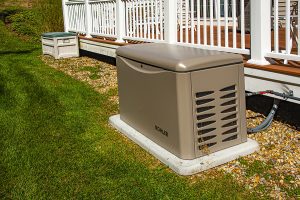
How Neglect Can Shorten Generator Life
Generators may seem like self-contained machines that will work whenever they are called upon, but they require consistent attention. Many homeowners assume that occasional testing or simple operation is enough, but small issues can compound over time.
For example, leaving fuel to sit in a tank for months can lead to clogs and corrosion in the fuel system. Failing to perform oil changes or air filter cleanings can lead to engine wear. Even minor electrical issues, like loose connections or corrosion on terminals, can develop into serious failures if left unattended.
Without regular maintenance, these issues often appear suddenly, leaving homeowners frustrated during an outage. Some may find themselves facing costly repairs or even the need for early replacement of a unit that could have lasted decades.
The Risks of Skipping Routine Care
Neglecting routine care can lead to a range of problems that impact both the performance and longevity of your generator. Over time, reduced efficiency and higher fuel consumption, difficulty starting during outages, and engine damage from low oil or clogged filters can pose safety risks that develop quietly. A generator may appear to function normally during brief test runs, but underlying issues often surface during extended use, especially in severe weather when dependable power is needed most. By staying proactive with maintenance, you can avoid these risks and prevent unexpected disruptions when backup power matters most.
Key Practices to Extend Generator Lifespan
Maintaining a generator does not have to be complicated. A few consistent habits, combined with professional inspections, can make a noticeable difference in how long your system performs reliably. The following checklist offers practical steps for standby generator care:
- Regular oil changes: Like any engine, a generator relies on clean oil for smooth operation. Check the oil level regularly and follow the manufacturer’s recommendations for oil changes.
- Test runs: Operate your generator under load every month or two to keep engine parts lubricated and confirm that all systems are functioning.
- Fuel care: Replace old fuel and add stabilizers if your generator uses gasoline or diesel. For propane or natural gas units, check connections and pressure to avoid leaks.
- Air filter inspection: Clean or replace air filters as needed to prevent engine strain and maintain efficiency.
- Battery maintenance: Inspect battery terminals for corrosion and verify the charge to reduce the risk of starting failure.
- Visual inspections: Look for loose bolts, frayed wiring, or signs of corrosion on metal components. Address minor issues before they escalate.
- Professional service: Schedule annual inspections with a licensed generator technician to perform detailed checks, including voltage output, transfer switch operation, and safety systems.
Following these steps consistently can help prevent unexpected problems and keep your generator running smoothly year after year.

The Role of Professional Maintenance
While homeowners can manage many basic maintenance tasks, professional service adds an extra layer of protection. A certified technician has the tools and experience to detect issues that may not be visible during routine checks.
Annual inspections often include:
- Testing generator performance under load
- Cleaning internal components and fuel lines
- Checking for leaks or damaged parts
- Verifying proper operation of automatic transfer switches
- Updating any software or system settings
Service contracts or seasonal tune-ups provide additional convenience and peace of mind. By scheduling professional visits before peak outage periods, homeowners can address any potential concerns and avoid surprises during an emergency.
How Long Home Generators Typically Last
Home generators vary in their expected lifespan based on type, usage, and care. On average, a well-maintained standby generator may last 15 to 25 years, while portable units typically last around 10 years due to more frequent setup, fuel handling, and storage challenges. Longevity is influenced by how often and how long the generator is used, the quality of its maintenance and care, fuel type, and storage practices. With consistent attention to these factors, a generator may operate reliably well beyond its average lifespan, providing dependable backup power for many years.
Signs Your Generator Needs Attention
Even with regular care, generators may begin to show early warning signs that service is needed. Homeowners should consider contacting a professional if they experience difficulty starting or frequent stalls, hear unusual noises or notice vibrations or smoke, see fluctuations in voltage output, observe leaks or corrosion around fuel and oil lines, or encounter warning lights or error codes on the control panel. Addressing these symptoms promptly can prevent more serious damage and extend the life of the system.
Creating a Maintenance Schedule
A structured maintenance schedule can help homeowners stay on top of generator care without feeling overwhelmed. Consider:
- Testing the generator monthly
- Checking oil and filters every 50 to 100 hours of operation or as recommended
- Inspecting fuel, connections, and battery quarterly
- Scheduling a professional inspection annually
Keeping a log of service activities, test results, and repairs allows you to track trends over time. It also helps technicians identify potential issues more quickly and makes it easier to maintain warranty coverage.
Protecting Your Investment
A standby generator represents a significant financial investment, but proper care helps maximize its value. By following maintenance tips, conducting regular checks, and arranging professional service, homeowners can reduce the likelihood of sudden failures, keep repair costs lower, and enjoy reliable power for many years.
Even small actions, like running the generator for a short period each month or keeping fuel fresh, can contribute to long-term reliability. Combining homeowner care with professional inspections offers a balanced approach that preserves both performance and lifespan.
Planning for Longevity
Maintaining a home generator is not a one-time task but a continuous practice. Over the unit’s lifetime, small habits and attention to detail can add years of dependable operation.
To get the most from your generator and protect your home from unexpected power outages, consider scheduling a service with experienced professionals. Oakwood Electric & Generator provides experienced inspections, routine maintenance, and advice to help your standby system remain reliable and efficient for decades.
Proper care today can mean fewer emergencies tomorrow and help your generator continue to deliver backup power when you need it most.