A Clear Comparison of Portable and Standby Home Generators
Power outages can happen at any time. From heavy storms to aging infrastructure, losing electricity can leave homeowners without lights, heat, or the ability to run appliances they rely on daily. Having a backup power system is one of the best ways to stay comfortable and safe during an outage.
For most homeowners, the decision comes down to two options: portable generators and standby generators. Both offer power when you need it, but they differ in cost, performance, convenience, and installation. Understanding these differences can help you make a smart investment in your home’s backup power.
Why Choosing the Right Generator Can Be Challenging
The range of home generator options on the market can be confusing. Portable units promise flexibility and affordability, while standby systems advertise automatic operation and high reliability. Online advice often adds to the confusion, with conflicting opinions on which type is best for long-term use.
Many homeowners end up guessing, only to find out later that their chosen system does not meet their expectations. A portable generator that seems powerful enough on paper may fall short during a multi-day outage. On the other hand, a standby system may seem like overkill for someone who experiences power interruptions only once a year.
Choosing the correct type of generator starts with understanding your household’s energy needs, budget, and comfort level with setup and maintenance.
The Real-World Impact of Choosing the Wrong System
Imagine the power goes out on a freezing winter night. The lights go dark, the furnace shuts off, and the food in the refrigerator begins to warm. With a portable generator, you would need to go outside, add fuel, connect extension cords, and start the machine in cold or stormy weather. For someone unfamiliar with generator setup, this can be stressful or even dangerous.
In contrast, a standby generator turns on automatically when the power fails. It runs on natural gas or propane, eliminating the need for manual refueling. While this convenience is appealing, it comes at a higher upfront cost and requires professional installation.
Choosing the wrong system can lead to wasted money or unwanted hassle. A portable generator may seem like the practical choice at first, but managing it during adverse weather conditions may prove more challenging than expected. On the other hand, investing in a standby system that exceeds your needs can unnecessarily stretch your budget.
Portable and Standby Generators Explained
Portable and standby generators both supply electricity during an outage, but they serve very different purposes. The main differences involve power capacity, fuel source, convenience, and long-term value.
Here is a clear overview of how they compare:
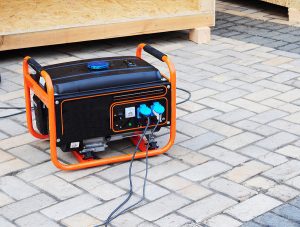
- Power capacity: Portable generators generally produce less electricity, enough for a few appliances or small systems. Standby generators can power entire homes, including HVAC systems and water heaters, providing reliable backup power.
- Fuel source: Portable units often run on gasoline or propane that must be refilled manually. Standby systems connect directly to a home’s natural gas or propane line for continuous operation.
- Setup: Portable generators must be moved outside, started manually, and connected to extension cords or a transfer switch. Standby generators operate automatically without homeowner intervention.
- Cost: Portable models are much less expensive to purchase and install, but may cost more in fuel and maintenance over time. Standby systems require a higher initial investment but deliver consistent reliability and ease of use.
- Noise and emissions: Portable units can be louder and must be placed outdoors in a well-ventilated area. Standby models are usually quieter and designed with weatherproof enclosures.
Understanding these distinctions can help you determine which option best aligns with your household priorities.
When a Portable Generator Makes Sense
A portable generator is often the best fit for homeowners seeking flexibility or working with a limited budget. These models are lightweight and can be used for more than just emergencies. Many people rely on them for camping, outdoor projects, or powering tools on a job site.
If your home experiences only occasional outages, a portable generator may provide enough backup power to keep the essentials running. It is efficient for smaller properties or households that only require operating lights, a refrigerator, and a few electronic devices.
However, a portable generator requires preparation and regular testing. You will need to store fuel safely, check oil levels, and know how to connect it properly. Improper use can create safety risks, including carbon monoxide exposure if the generator is used too close to the home. For short-term or infrequent outages, though, a portable generator can be a reasonable and cost-effective option.
When a Standby Generator is the Better Choice
A standby generator is permanently installed outside the home and wired directly into the electrical system. When the power fails, it starts automatically and supplies electricity within seconds. Once power is restored, it shuts off and returns to standby mode without any action required from the homeowner.
Standby systems are ideal for homeowners who frequently experience power outages or rely on electricity for medical equipment, heating, or business operations. They provide steady energy for the entire home and can run for days or weeks if needed.
While the upfront cost is higher, the convenience and peace of mind often make the investment worthwhile. Standby generators also add value to a home, as buyers appreciate the reliability and security they offer.
Maintenance is typically handled through a service plan with an installer or electrician, always keeping the system ready. For families who prefer a hands-free solution, a standby generator delivers unmatched dependability.
Comparing Costs and Long-Term Value
Cost is often the deciding factor between portable and standby generators. Portable units can start at a few hundred dollars, while standby systems may cost several thousand dollars, including installation.
However, the long-term picture tells a more complete story. Portable generators require fuel refills, periodic maintenance, and replacement after years of heavy use. Standby generators, although more expensive upfront, are built for longevity and automatic operation.
It may be helpful to consider how frequently you experience power outages and the degree of disruption each one causes to your daily life. A homeowner who only needs backup power once every few years may not justify the cost of a standby system. But for those in areas with frequent storms or unreliable electrical grids, the investment may pay for itself through convenience and reduced downtime.
Finding the Right Fit for Your Home
Both portable and standby generators have advantages. The right choice depends on how much power you need, how often outages occur, and how comfortable you are managing fuel and setup.
If you are unsure, talking with an experienced electrician or generator specialist can help you make an informed decision. They can measure your home’s energy demand, review your priorities, and recommend the right size and model for your situation.
A professional assessment may also prevent costly mistakes like undersizing your generator or overpaying for capacity you will never use.
Making a Confident Decision
Whether you choose a portable generator or a standby system, the goal is the same: reliable backup power that keeps your household safe and comfortable during an outage.
If you would like help selecting the right residential generator or want to explore installation options, contact Oakwood Electric & Generator. Our team provides professional guidance, quality equipment, and dependable service that help homeowners make confident, long-lasting investments in their backup power systems.