Electrical Code Issues to Watch for in Older Houses
Older homes often contain electrical systems installed decades ago, long before modern safety codes were established. Wiring methods, circuit designs, and electrical panels from the mid-20th century were sufficient for the limited power needs of that era but often fall short of today’s demands. As technology has advanced, electrical codes have evolved to improve safety, efficiency, and reliability, yet many older homes still operate with systems that predate these changes.
Outdated setups may include missing grounding, undersized circuits, or unprotected outlets in areas prone to moisture. In some cases, wiring insulation may have deteriorated, exposing live conductors that pose a risk of shock or fire. Knob-and-tube wiring, common before the 1950s, lacks the protective grounding required by modern codes. Aluminum wiring, widely used in homes built in the 1960s and 1970s, also presents problems when not properly maintained or replaced.
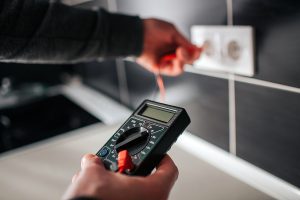
Most of these hazards remain hidden behind walls and ceilings, so homeowners may not notice them until they cause visible damage or electrical failure. Flickering lights, tripped breakers, or mild shocks from outlets may seem like minor annoyances but can signal deeper problems caused by code violations or deteriorating components. Because these deficiencies are often invisible, many homeowners continue living in potentially unsafe conditions without realizing the danger. Relying on the fact that a system has “always worked” can be a costly mistake. Outdated wiring may appear functional but that does not mean it meets current standards or is safe under modern usage.
The Risks of Ignoring Electrical Code Violations
Ignoring outdated or non-compliant electrical systems can have serious consequences. Electrical code violations affect the safety and reliability of a home. Missing grounding, undersized breakers, or outdated wiring configurations can dramatically increase the risk of fires, shocks, and power surges.
Older systems were designed for households with far fewer devices. A mid-century home might have supported only a few lights and small appliances. Today’s families rely on computers, televisions, air conditioners, and high-powered kitchen appliances. This increase in load puts tremendous stress on older circuits. When circuits are overloaded or improperly fused, wires can overheat, and insulation can melt, often causing fires inside walls that spread unnoticed.
Two-prong outlets without proper grounding present another hazard. Grounding provides a safe path for excess current, protecting both people and electronics. Without it, even a minor short circuit can send dangerous voltage through appliances or metal casings, creating a severe shock risk. Homes without grounded outlets may also struggle to power modern electronics safely, as most appliances require a grounded connection.
Outdated electrical panels add another layer of risk. Fuse boxes and early breaker panels were not designed to handle modern household power needs. Many older panels lack the capacity for additional circuits, and some brands installed decades ago are now known to fail during overloads rather than shutting off power. This can lead to overheating and fire.
The consequences of code violations extend beyond immediate safety concerns. Homeowners who delay updates may face costly challenges during renovations or property sales.
Non-compliant systems often fail inspections, which can delay closings or require expensive repairs. Insurance companies may deny claims or refuse coverage if a fire or electrical failure is traced to outdated wiring.
Many homeowners assume that because their system still works, it is safe. Electrical components wear down gradually. Loose connections, corroded terminals, and overloaded circuits often show no symptoms until a failure occurs. The longer these issues go unaddressed, the greater the potential for damage and the higher the cost of repairs.
How to Bring Older Homes Up to Code Safely
The most effective way to address potential electrical code violations is through a professional inspection and corrective action plan. A licensed electrician can identify unsafe wiring, outdated components, and other problems that might go unnoticed. During an inspection, an electrician will test outlets, check circuit loads, evaluate grounding and bonding, and verify that all connections meet current safety standards.
Common electrical code issues in older homes can include several hidden hazards:
- Ungrounded outlets that increase the risk of shocks
- Overloaded circuits unable to handle modern power demands
- Outdated fuse boxes or breaker panels with limited capacity
- Improper wire splices made without junction boxes or covers
- Lack of GFCI outlets in kitchens, bathrooms, garages, and outdoor areas
- Deteriorated wiring insulation that exposes live conductors
Once these issues are identified, a licensed electrician can recommend the safest and most cost-effective solutions. Depending on your home’s condition, this may involve installing grounded outlets, upgrading to a larger electrical panel, or replacing old wiring entirely.
Preventive upgrades are also worthwhile even if no immediate problems are detected. Installing Arc Fault Circuit Interrupters can prevent fires caused by arcing faults, and replacing outdated aluminum wiring with copper can improve safety and reliability.
Regular maintenance is equally important. Electrical systems require periodic evaluation to remain safe and efficient. Scheduling inspections every few years helps to identify minor issues before they become major hazards. During inspections, electricians can tighten connections, replace worn outlets, and confirm that modifications remain compliant with current codes.
Proactively addressing wiring code compliance not only protects your home’s safety but also preserves property value. A home with a modern, code-compliant system is more appealing to buyers, easier to insure, and less likely to experience power interruptions or fires.
Keep Your Older Home Safe and Up to Code
Older homes have charm and craftsmanship that newer properties often lack, but many hide electrical systems that no longer meet safety standards. Code violations such as missing grounding, outdated breakers, and improper wiring can lead to electrical shocks, damage to appliances, and fires.
Homeowners can protect their homes and families by scheduling regular inspections, replacing outdated wiring, and upgrading panels. Modernizing systems allows for greater energy efficiency and supports high-demand devices without overloading circuits. Electrical repairs require experience and precision, and mistakes can create hazards or violate codes, potentially resulting in fines or insurance issues. Working with a licensed electrician ensures updates meet wiring code compliance standards.
Staying proactive about electrical safety is one of the most valuable investments you can make. If you are unsure whether your electrical system meets current standards, now is the time to act. Contact Oakwood Electric & Generator for a professional inspection. Our licensed electricians can identify and correct code violations, upgrade your panel, and improve wiring safety in your older home.
Protect your property, family, and investment by keeping your electrical system modern, compliant, and reliable. With professional care and timely upgrades, you can enjoy the comfort and charm of your older home while maintaining electrical safety.